Keywords

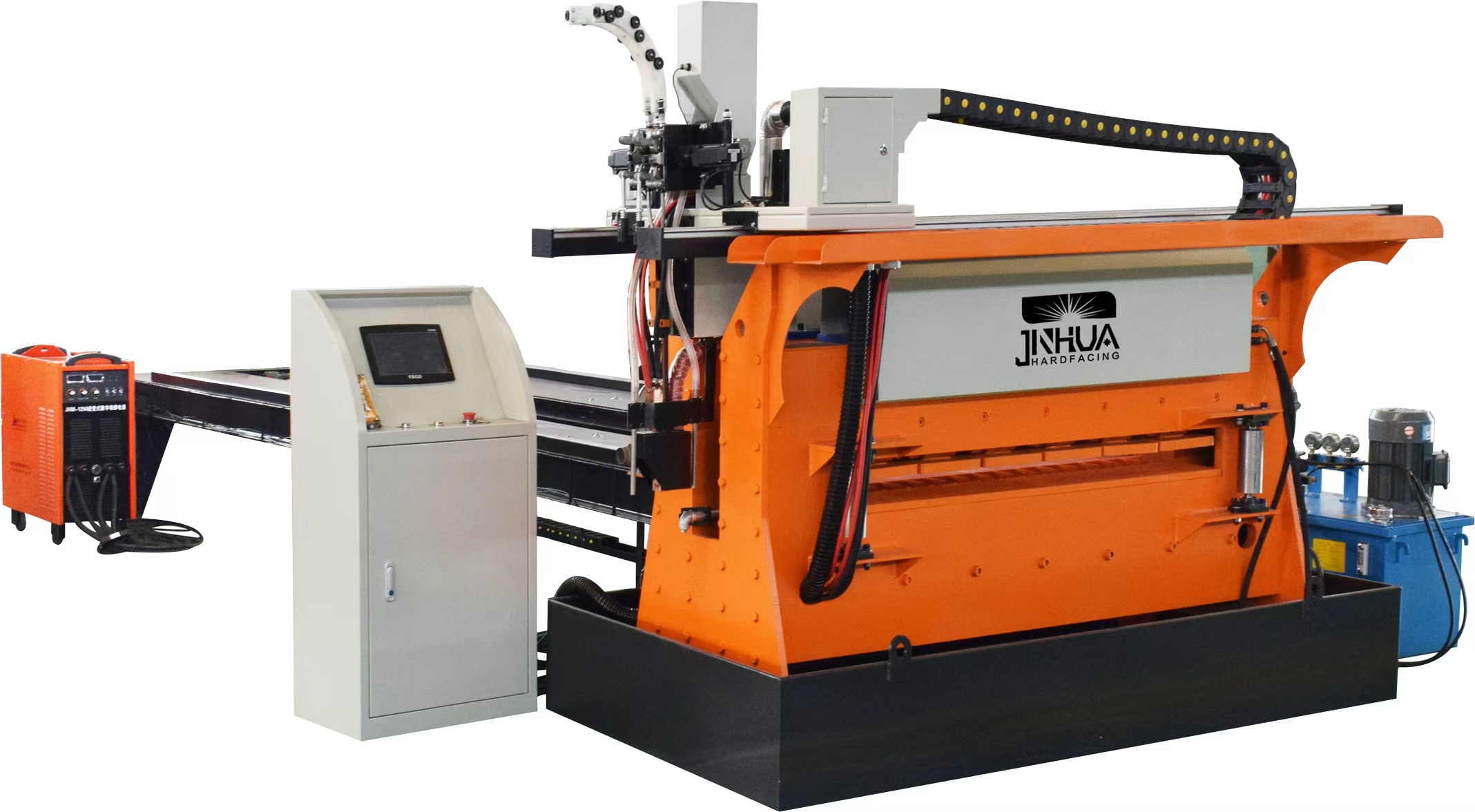
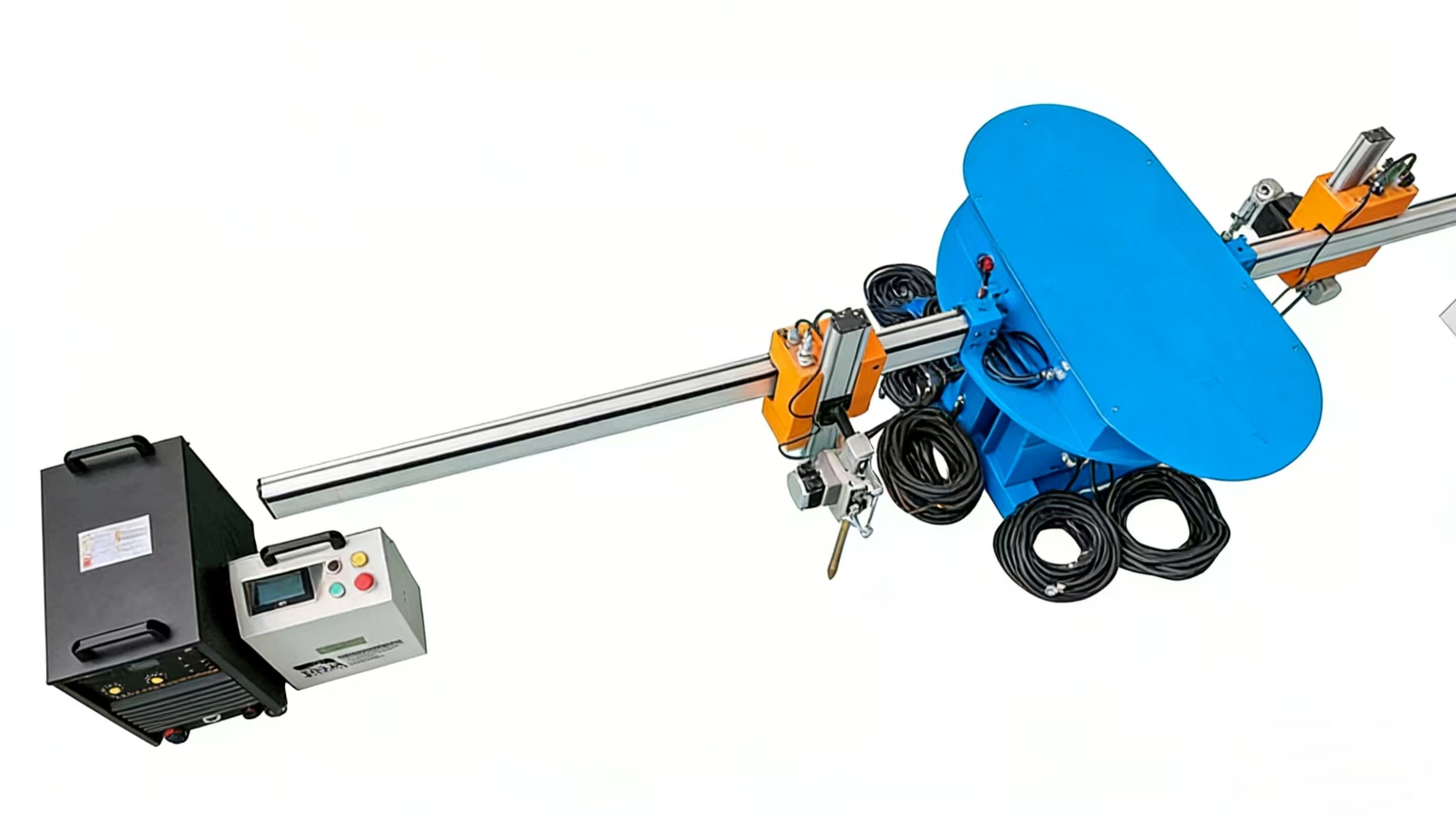
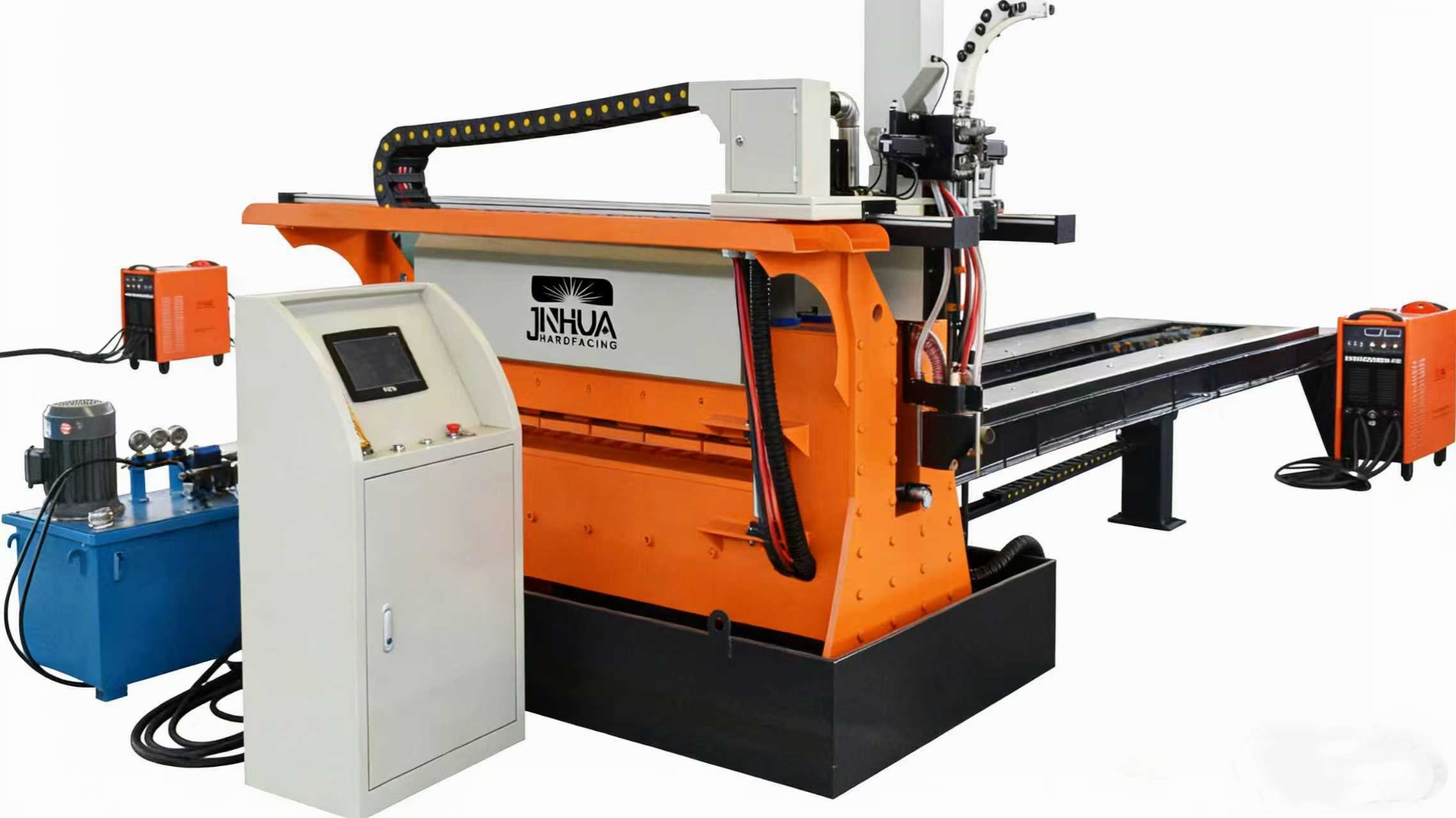
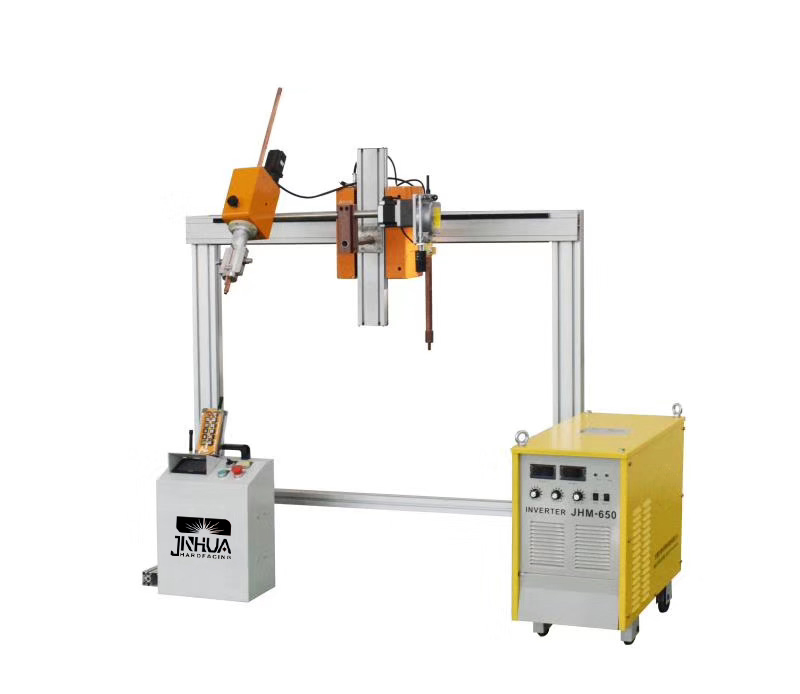
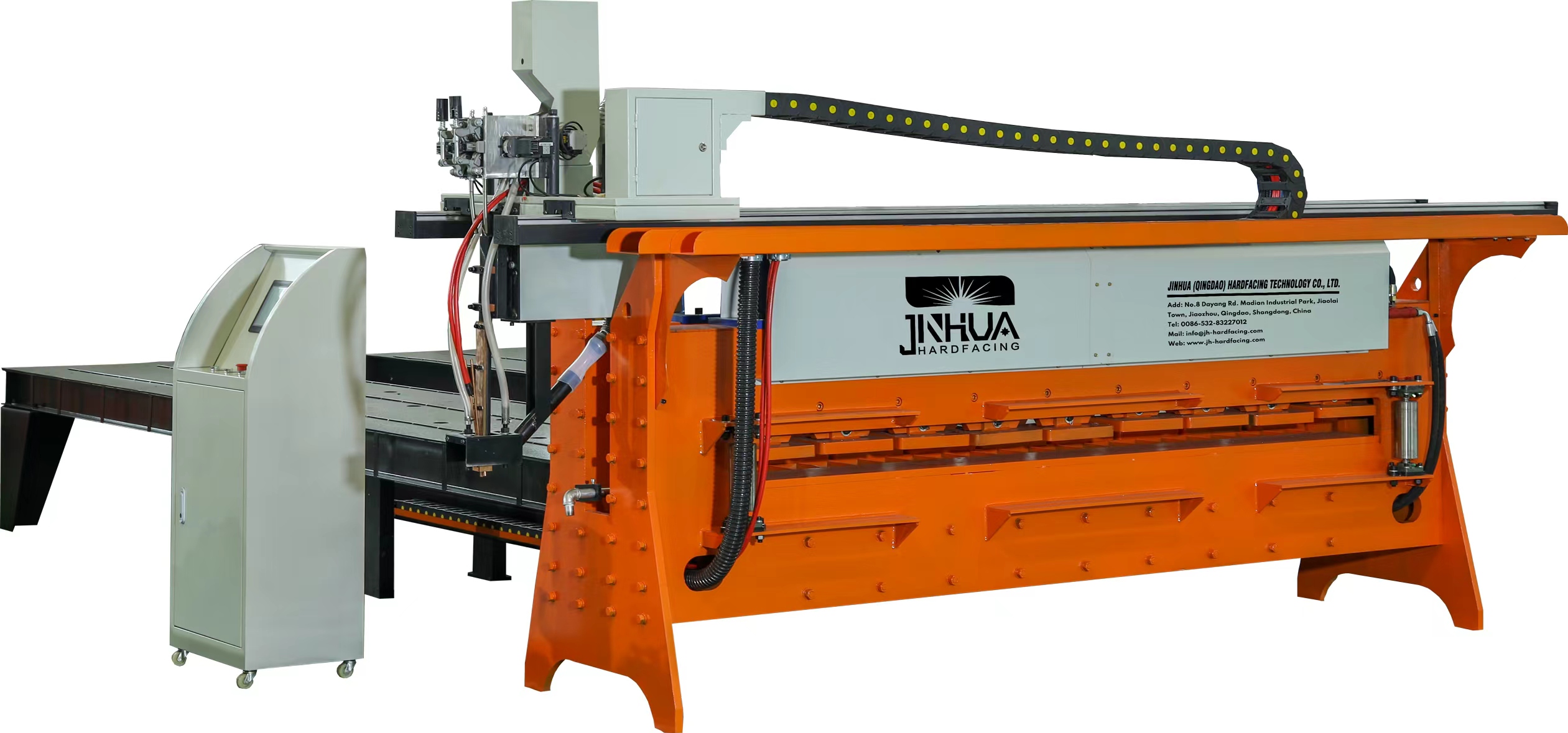
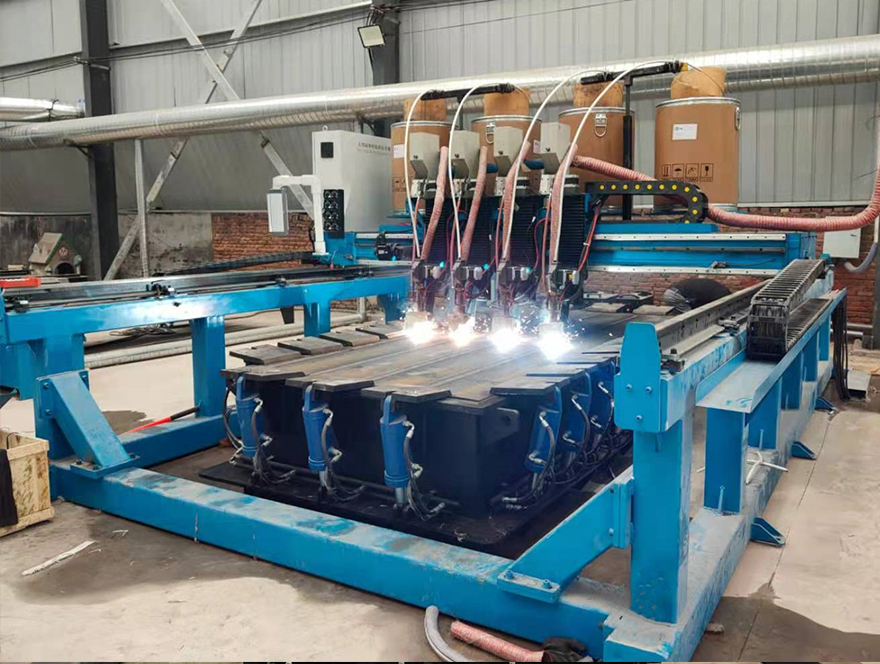
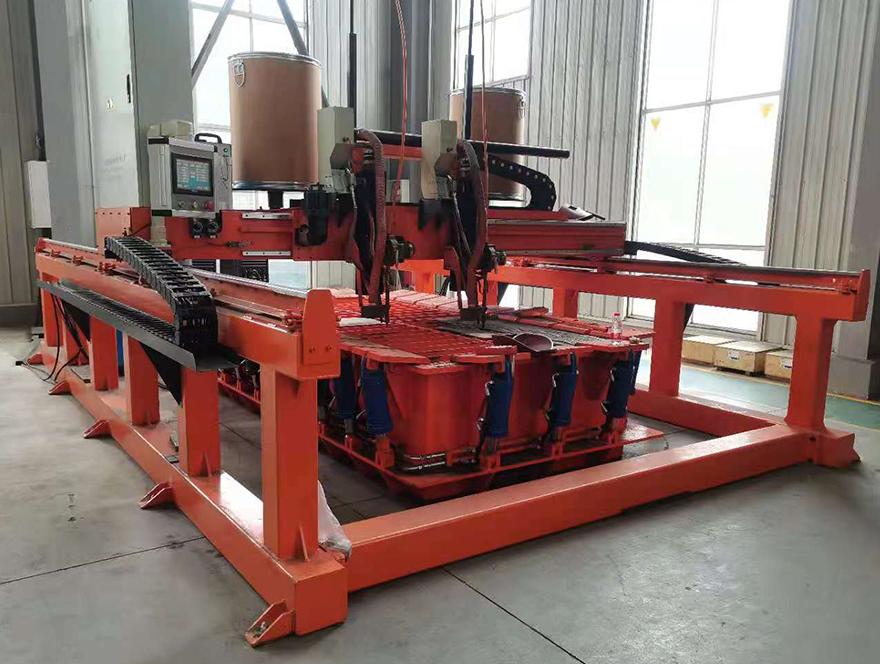
JINHUA provides customized automatic hardfacing systems for hydraulic cylinder rods, cylinder barrels, tubes, pins and other cylindrical components requiring wear-resistant or corrosion-resistant weld overlays.
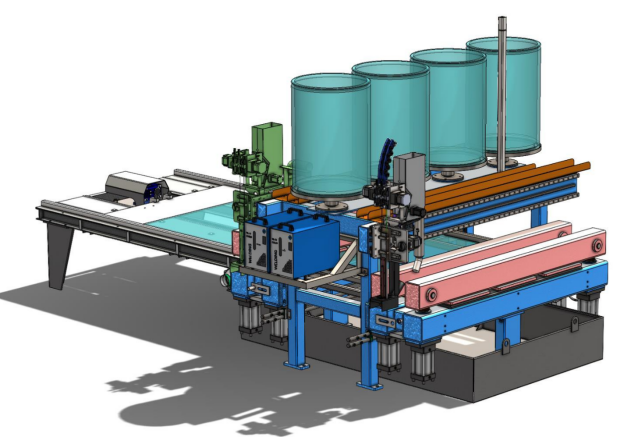
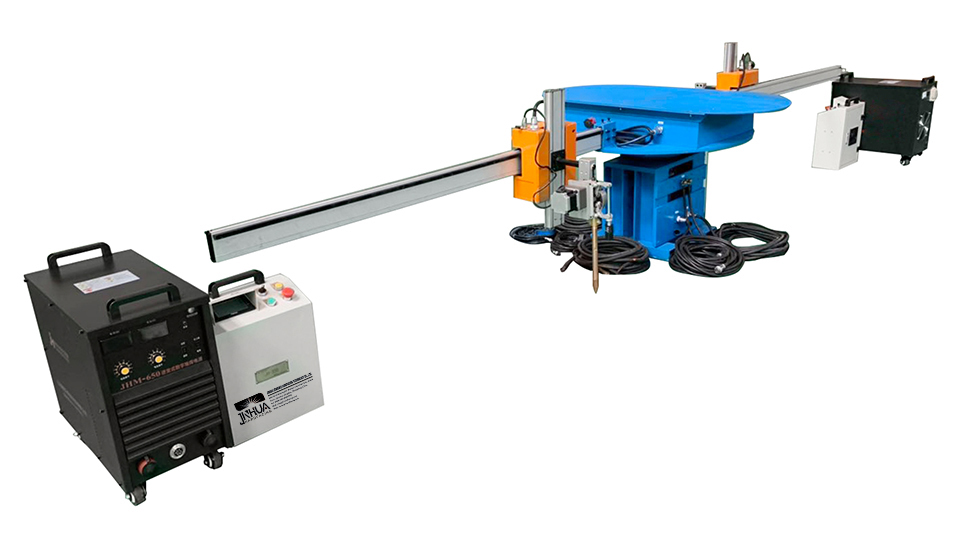
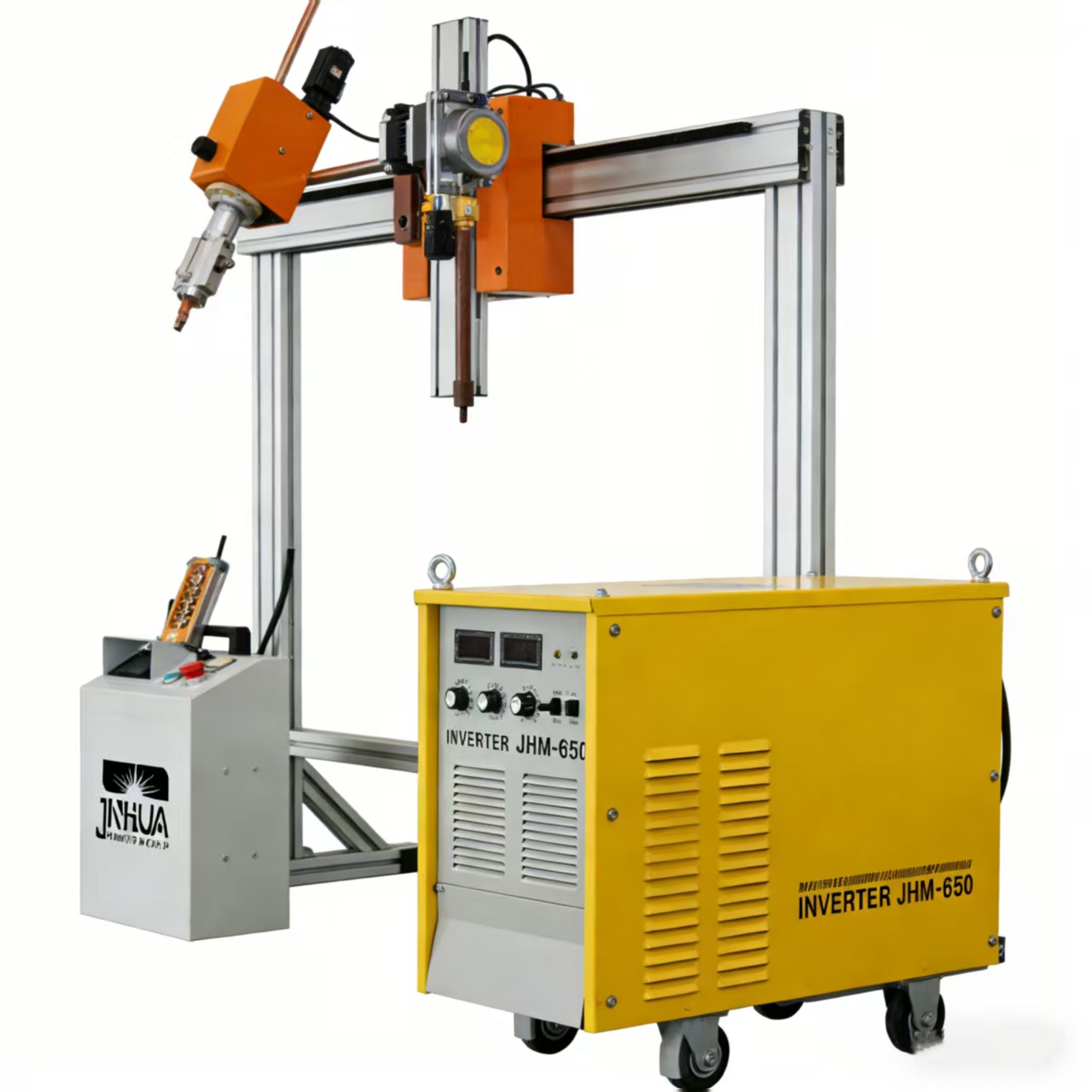
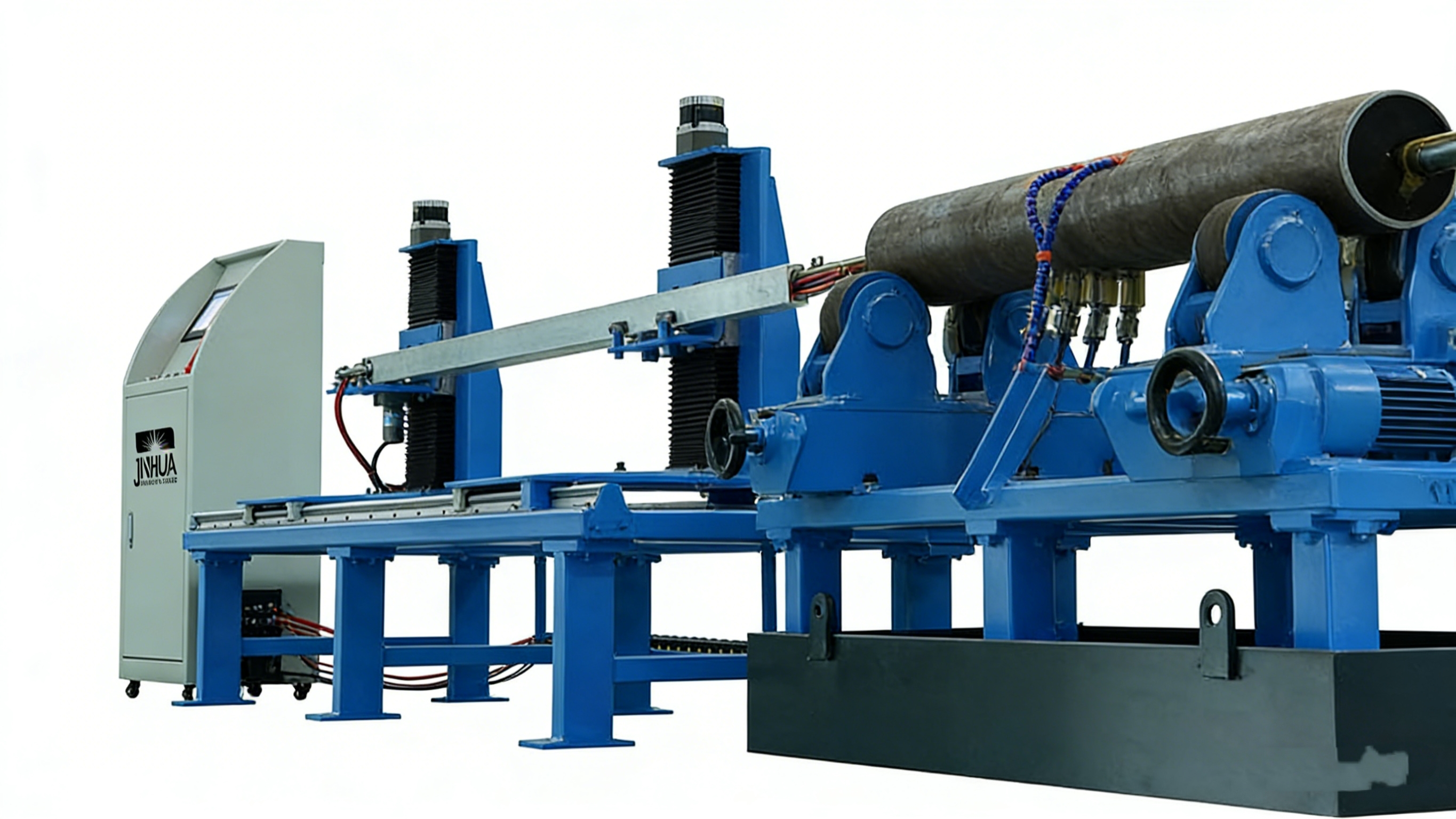
The machine coordinates workpiece rotation, torch travel, wire feeding and welding parameters to produce circumferential, longitudinal or helical deposits with less dependence on manual torch control.
It can be configured for new component manufacturing, worn-part rebuilding or localized surface reinforcement. The complete system is designed according to your workpiece diameter, length, weight, welding position and overlay material.
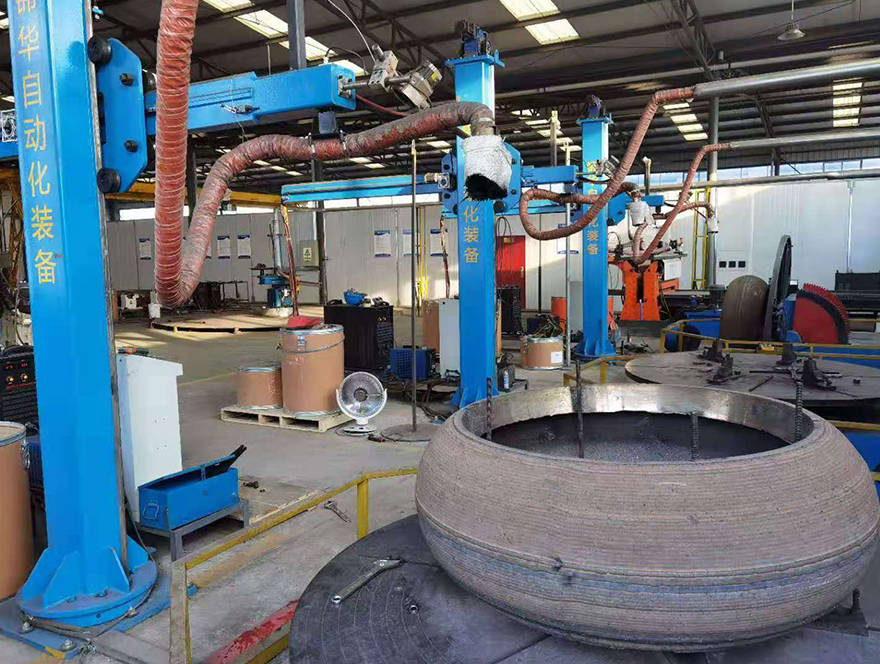
JINHUA has manufactured hardfacing wire and automated wear-resistant welding equipment since 1996. Its existing equipment range includes pipe inner-surface cladding machines, roller hardfacing machines, welding manipulators and automatic surfacing systems for cylindrical components.
View Hardfacing MachinesRequest a Custom Machine Proposal
External hardfacing of cylinder rods and cylindrical shafts;
Internal cladding of cylinder barrels and tubes;
Circumferential, longitudinal and helical welding paths;
Single-layer or multi-layer overlay deposition;
Automatic workpiece rotation and torch travel;
Programmable welding speed and wire-feed control;
Oscillation for wider overlay beads;
Water-cooled welding torch configuration;
Optional workpiece cooling;
Recipe storage for repeated cylinder specifications;
Custom tooling for different rod and barrel sizes.
<a href="/contact-us.html" style="display:inline-block;padding:12px 24px;background:#b52722;color:#ffffff;text-decoration:none;border-radius:4px;font-weight:600;">Discuss Your Cylinder Hardfacing Project</a>
The Hardfacing Machine for Hydraulic Cylinders can be adapted to different parts of the cylinder assembly.
| Workpiece | Typical Processing Requirement |
|---|---|
| Piston rod | External surface rebuilding or protective overlay |
| Cylinder barrel | Internal or external cladding |
| Hydraulic ram | Circumferential or helical surface deposition |
| Guide sleeve | Internal or external wear-resistant overlay |
| Cylinder pin | Localized hardfacing in bearing and contact areas |
| Piston component | Edge or contact-surface restoration |
| Rod eye and end fitting | Local wear-area reinforcement |
| General cylindrical shaft | Full-length or selected-zone hardfacing |
The machine is intended for surface deposition and repair. It should not be confused with a standard hydraulic cylinder assembly machine used only for welding end caps, ports or circumferential structural seams.
When both overlay welding and structural seam welding are required, the equipment layout and welding processes should be reviewed separately.
Cylinder rods can experience surface damage caused by:
Abrasive dust and mud;
Misalignment;
Contaminated seals;
Corrosive environments;
Metal-to-metal contact;
Local impact;
Repeated extension and retraction.
The machine rotates the rod while the welding torch travels along its length. By coordinating rotation and axial movement, the system produces a controlled helical overlay.
External hardfacing can be used to:
Rebuild an undersized worn surface;
Add a corrosion-resistant layer;
Reinforce selected high-wear areas;
Prepare the rod for subsequent machining or grinding;
Restore large industrial cylinder components.
The welded surface normally requires post-weld machining, turning or grinding to achieve the final diameter, straightness, roughness and seal-contact requirements.
Hardfacing material should not be selected only by maximum hardness. A rod surface operating through hydraulic seals also requires suitable machinability, crack control, finish and compatibility with the seal system.
Internal cladding may be considered when the inner surface of a hydraulic barrel requires:
Corrosion protection;
Dimensional restoration;
Wear repair;
Surface alloying;
Protection against an aggressive operating medium.
The welding head enters the cylinder barrel while the workpiece or torch rotates according to the selected machine configuration.
JINHUA’s existing pipe inner-surface equipment combines a rotating welding head, wire feeding, automatic travel, water cooling and welding control systems, providing a technical basis for customized cylinder-barrel cladding solutions.
Important project parameters include:
Barrel internal diameter;
Total barrel length;
Required cladding length;
Minimum torch-entry clearance;
Overlay thickness;
Welding position;
Post-weld honing or machining allowance.
Internal cylinder cladding should be evaluated carefully where the bore must maintain tight dimensional and surface-finish tolerances.
The torch remains at a fixed axial position while the workpiece rotates.
This mode is suitable for:
Local repair bands;
Bearing areas;
End sections;
Seal-contact zones;
Selected circumferential wear areas.
The workpiece rotates while the torch travels continuously along the cylinder axis.
This creates an overlapping spiral deposit and is suitable for covering longer external surfaces.
The relationship between rotation speed and torch-travel speed determines the bead pitch and overlap.
The torch travels along the workpiece while rotation remains stopped or indexed.
This mode may be used for selected repair patterns, strip cladding or components that cannot be processed with a continuous spiral path.
The torch moves from side to side while travelling along the workpiece.
Oscillation can create a wider bead and reduce the number of passes required. Its amplitude, speed and dwell time should be matched to the welding process and desired deposit shape.
The machine structure can be integrated with different welding processes according to the workpiece, overlay material and deposition requirement.
| Welding Process | Suitable Considerations |
| FCAW or GMAW | Flexible wire selection, controlled external overlay and general automatic surfacing |
| SAW | High deposition for suitable larger-diameter components and stable welding positions |
| GTAW or TIG | Controlled heat input and precision cladding for selected alloys or internal surfaces |
| Multi-pass welding | Increased overlay thickness and dimensional rebuilding |
| Oscillation welding | Wider beads and controlled coverage |
JINHUA welding manipulators can be assembled with turning equipment, automatic welding systems and controls, and the company lists compatibility with submerged-arc, gas-metal-arc and gas-tungsten-arc welding processes.
The final welding process should be selected after confirming:
Base material;
Overlay alloy;
Dilution requirement;
Deposit thickness;
Workpiece size;
Productivity target;
Required post-weld machining.
Because hydraulic cylinders differ substantially in size and design, the machine should be configured around your workpiece range rather than assigned one universal specification.
| Configuration Item | Available Design Direction |
| Applicable workpieces | Cylinder rods, barrels, tubes, pins and cylindrical shafts |
| Welding surface | External diameter, internal diameter or localized area |
| Welding path | Circumferential, longitudinal, helical or oscillating |
| Workpiece support | Headstock and tailstock, chuck system or turning rolls |
| Rotation drive | Variable-speed motor or servo-controlled rotation |
| Torch travel | Motorized or servo-controlled linear carriage |
| Welding process | FCAW, GMAW, SAW or GTAW according to project |
| Wire feeding | Single-wire or customized feeding system |
| Layer control | Single-layer or multi-layer deposition |
| Control system | PLC or CNC-based automatic control |
| Parameter storage | Optional recipe storage for repeated parts |
| Cooling | Torch cooling and optional workpiece cooling |
| Fume control | Optional extraction and collection system |
| Safety | Emergency stop, travel limit and interlock protection |
| Loading | Manual, crane-assisted or customized loading system |
| Post-weld process | Machining, turning, grinding or honing by customer or integrated line |
Numeric ranges for diameter, length, weight, travel, rotation speed and welding current should be confirmed after reviewing the actual workpieces.
A customized hydraulic cylinder hardfacing system may include:
Heavy-duty machine bed;
Powered headstock;
Adjustable tailstock;
Self-centering chuck;
Workpiece support rests;
Linear welding carriage;
Torch-position adjustment unit;
Automatic wire feeder;
Welding power source;
Water-cooling system;
Electrical control cabinet;
Touchscreen control panel;
Welding parameter database;
Fume-extraction interface;
Safety enclosure;
Optional loading support.
For long and slender piston rods, additional steady rests may be required to control deflection and vibration during rotation.
For heavy cylinder barrels, turning rolls or reinforced headstock and tailstock assemblies may be more appropriate.
The control system can coordinate the main motions involved in cylindrical overlay welding.
Possible functions include:
Automatic arc starting and stopping;
Adjustable workpiece rotation;
Synchronized axial torch travel;
Helical pitch control;
Oscillation amplitude and speed adjustment;
Wire-feed speed control;
Welding-current and voltage monitoring;
Start and end overlap control;
Multi-layer sequence programming;
Workpiece recipe storage;
Travel-limit protection;
Welding interruption alarm;
Breakpoint recovery;
Manual setup and automatic production modes.
JINHUA’s existing automatic hardfacing machines include functions such as real-time travel-position display, remote operation, wire-break alarms and breakpoint location for repair welding.
Controlled rotation and torch movement help maintain repeatable bead spacing, overlap and deposit thickness across long cylindrical surfaces.
Once the workpiece is positioned and the welding program is confirmed, the machine can complete repetitive surfacing movements automatically.
This allows the operator to focus on parameter monitoring, wire supply and quality inspection.
The same machine concept can support:
Protective overlay on new components;
Rebuilding of worn cylinder rods;
Restoration of barrel surfaces;
Localized reinforcement;
Repeated production of similar components.
Parameter recipes can be created for different diameters, lengths, overlay zones and welding paths.
This is useful for hydraulic cylinder manufacturers and repair workshops processing several product models.
The machine maintains stable movement and wire feeding, helping you control heat input and reduce large variations between passes.
For long or thin cylinder parts, the equipment can also be designed with cooling and a planned welding sequence to limit distortion.
The machine can be configured around your:
Existing welding power source;
Preferred hardfacing wire;
Workshop lifting equipment;
Workpiece diameter range;
Required automation level;
Post-weld machining process;
Factory layout.
| Production Requirement | Recommended Configuration |
| Local repair on rod surfaces | Circumferential welding with programmable axial positioning |
| Full rod surface overlay | Synchronized rotation and longitudinal travel |
| Long, slender piston rods | Headstock, tailstock and adjustable steady rests |
| Heavy cylinder barrels | Reinforced bed and heavy-duty turning system |
| Internal barrel cladding | Internal welding head with cooling and extended travel |
| Multiple repeated models | PLC/CNC control with recipe storage |
| High deposition requirement | Suitable high-deposition process and automatic wire feeding |
| Precision alloy cladding | Controlled low-heat-input process and stable torch positioning |
| Repair workshop | Wide adjustment range and flexible tooling |
| Production line | Automated loading, parameter storage and process monitoring |
Measure:
Existing diameter;
Wear depth;
Ovality;
Straightness;
Cracks and surface damage;
Remaining wall thickness.
Components with structural cracks or insufficient base material may require repair before hardfacing or may not be suitable for rebuilding.
Remove:
Oil;
Grease;
Rust;
Previous coatings;
Damaged metal;
Contamination.
The workpiece may require machining or gouging to create a consistent surface before overlay welding.
The cylinder rod or barrel is secured between the selected positioning units.
Alignment should be checked before rotation to reduce runout and uneven torch distance.
Input:
Rotation speed;
Travel speed;
Wire-feed rate;
Welding current and voltage;
Oscillation;
Bead overlap;
Number of layers;
Start and stop positions.
The machine runs the programmed welding path while the operator monitors arc stability, wire feeding and cooling.
Check:
Overlay coverage;
Thickness;
Fusion;
Surface condition;
Cracking;
Distortion;
Start and stop overlap.
The component may require:
Turning;
Grinding;
Honing;
Polishing;
Final dimensional inspection.
Post-weld machining allowance should be included when specifying the deposited thickness.
To quote a Hardfacing Machine for Hydraulic Cylinders, provide:
Workpiece name;
Cylinder rod or barrel drawing;
Minimum and maximum outside diameter;
Minimum internal diameter, where applicable;
Minimum and maximum length;
Maximum workpiece weight;
Hardfacing position;
External or internal welding;
Required overlay length;
Base material;
Hardfacing alloy or wire;
Required deposit thickness;
Machining allowance;
Preferred welding process;
Required production rate;
Single-part or batch production;
Available welding power source;
Loading method;
Factory power supply;
Required automation level;
Workshop layout or available installation space.
Photos or videos of the existing production process are also useful when the machine will replace manual welding.
JINHUA manufactures hardfacing machines, hardfacing wire, wear plates and customized welding systems. This allows the machine structure, welding process and consumable selection to be reviewed as one complete surfacing solution.
Available support can include:
Workpiece and process review;
Machine configuration design;
Welding-process selection;
Hardfacing consumable matching;
Factory assembly and testing;
Operator instruction;
Equipment commissioning support;
Spare-parts and maintenance guidance.
The machine should be confirmed through actual workpiece drawings and welding trials rather than selected only from a generic model description.
A hydraulic cylinder rod, barrel or shaft may require different positioning, welding and cooling arrangements depending on its size and overlay material.
Send your workpiece drawing, diameter range, length, weight, base material, deposit thickness and production target. JINHUA will use this information to configure a suitable Hardfacing Machine for Hydraulic Cylinders.
It is an automatic welding system that deposits a wear-resistant, corrosion-resistant or rebuilding alloy onto hydraulic cylinder rods, barrels and other cylindrical components.
Yes, but external rod hardfacing and internal barrel cladding require different torch arrangements and positioning systems. Confirm both workpiece types before machine design.
No. A circumferential welding machine normally joins cylinder components such as end caps or fittings. A hardfacing machine deposits a protective or rebuilding layer onto a surface.
Selected rods can be rebuilt by removing damaged material, depositing a new layer and finish machining the surface. The rod must first be inspected for cracks, straightness and remaining structural integrity.
Usually yes. Weld overlay normally requires turning, grinding or polishing to achieve the specified finished diameter and surface condition.
The system can be configured around FCAW, GMAW, SAW or GTAW depending on the part size, base material, overlay alloy and required deposition quality.
Yes. The rotation of the workpiece can be synchronized with longitudinal torch travel to create a continuous helical welding path.
Recipe storage can be included for repeated cylinder sizes, allowing operators to recall rotation, travel, wire-feed and oscillation settings.
The machine can use a headstock, tailstock and one or more adjustable steady rests to control workpiece deflection and rotation.
Provide the workpiece diameter, length, weight, drawing, hardfacing position, base material, overlay alloy, required thickness, welding process and production target.
Inquiry
Related
Materials & Consumables for HardfacingHardfacing Machine for Pump ShaftsHardfacing Machine for BladesHardfacing Techniques & FeaturesWear Protection Solutions for Mining, Cement, Power, Steel, Sugar & Oil & GasTypes of Hardfacing MachinesHardfacing Machine for MoldsCeShiHardfacing Machine for Agricultural MachineryHardfacing Machine for Cutting ToolsHardfacing Applications in Various IndustriesHardfacing Machine for Boiler TubesHardfacing Machine for Hydraulic CylindersHardfacing Machine for ValvesHardfacing Process & ApplicationsHardfacing Machine for RollersHardfacing Machine for Gears2025 Hardfacing Industry Trends AnalysisGeneral Hardfacing MachineHardfacing Machine for DiesHardfacing Machine for Cylinder RodsCopyright © Jinhua (Qingdao) Hardfacing Technology Co., Ltd. All Rights Reserved |
Sitemap
| Technical Support: