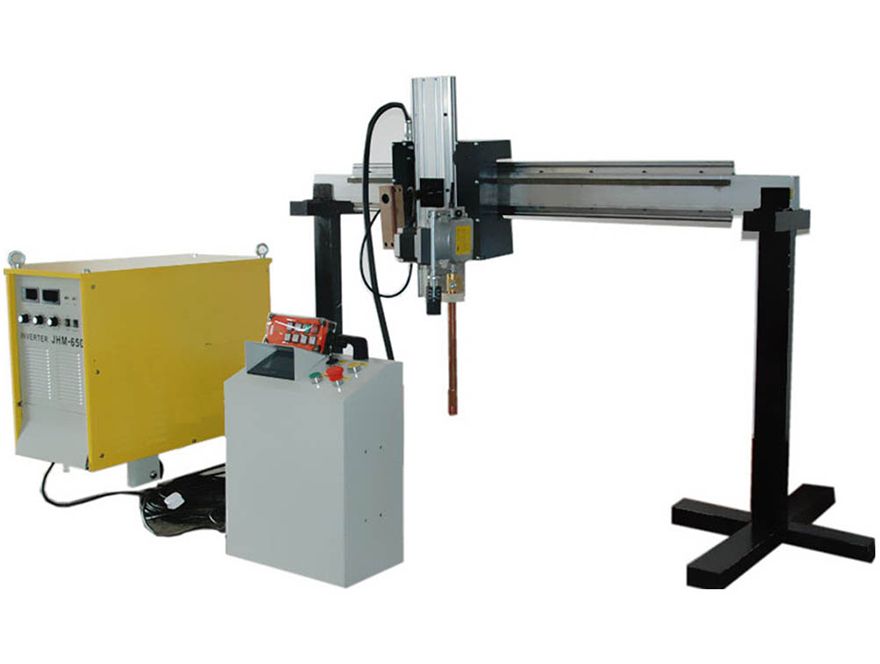
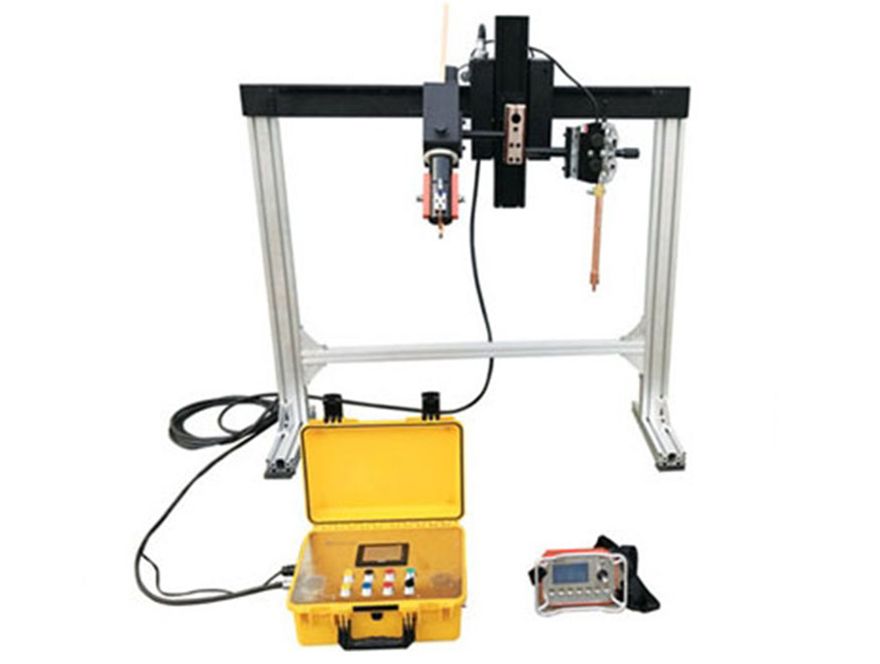
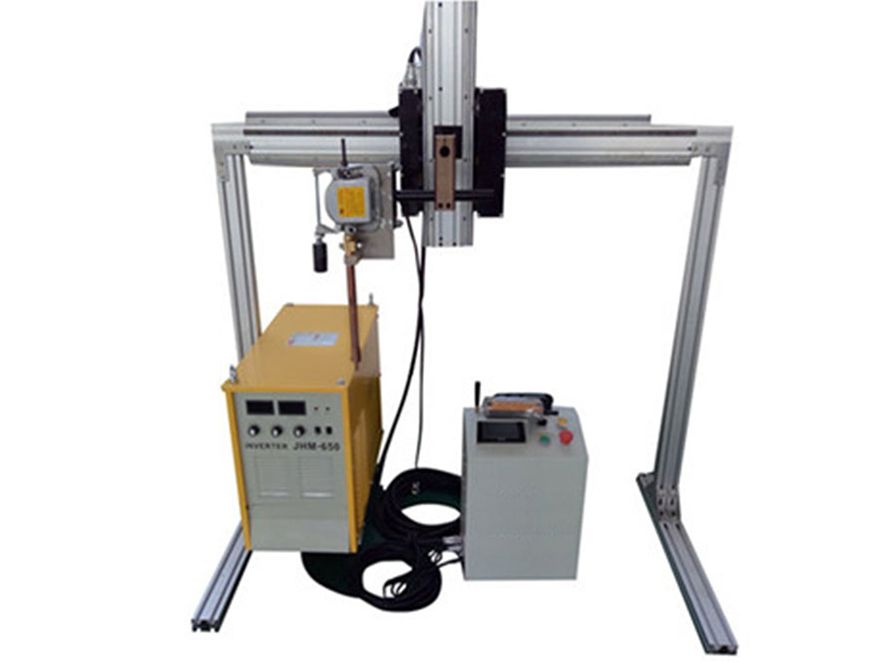
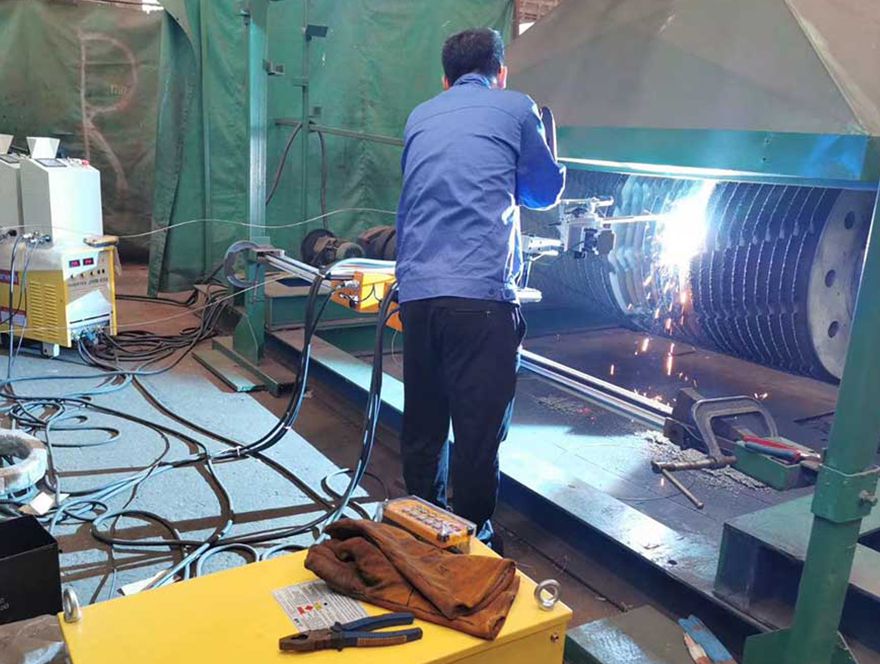
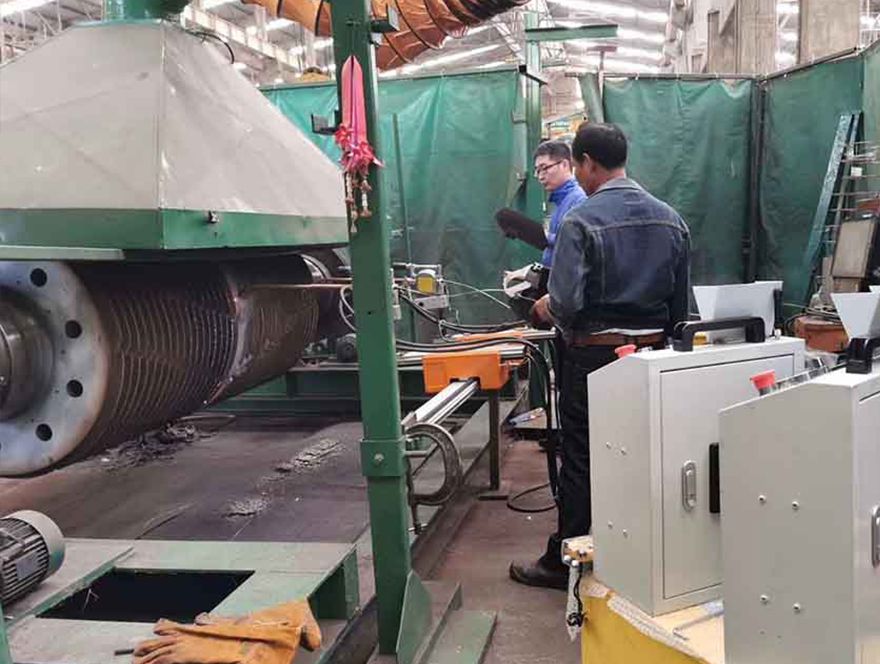
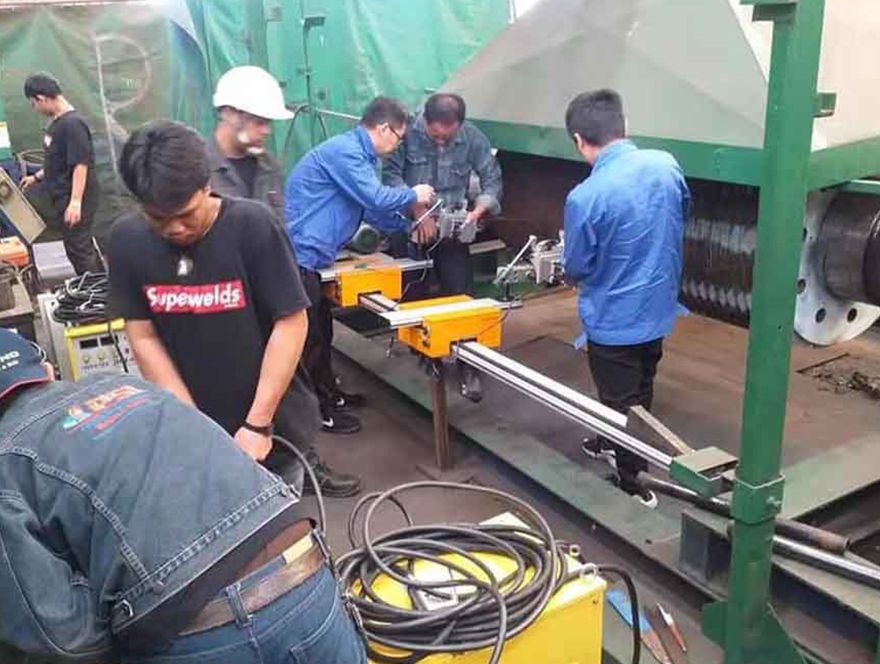
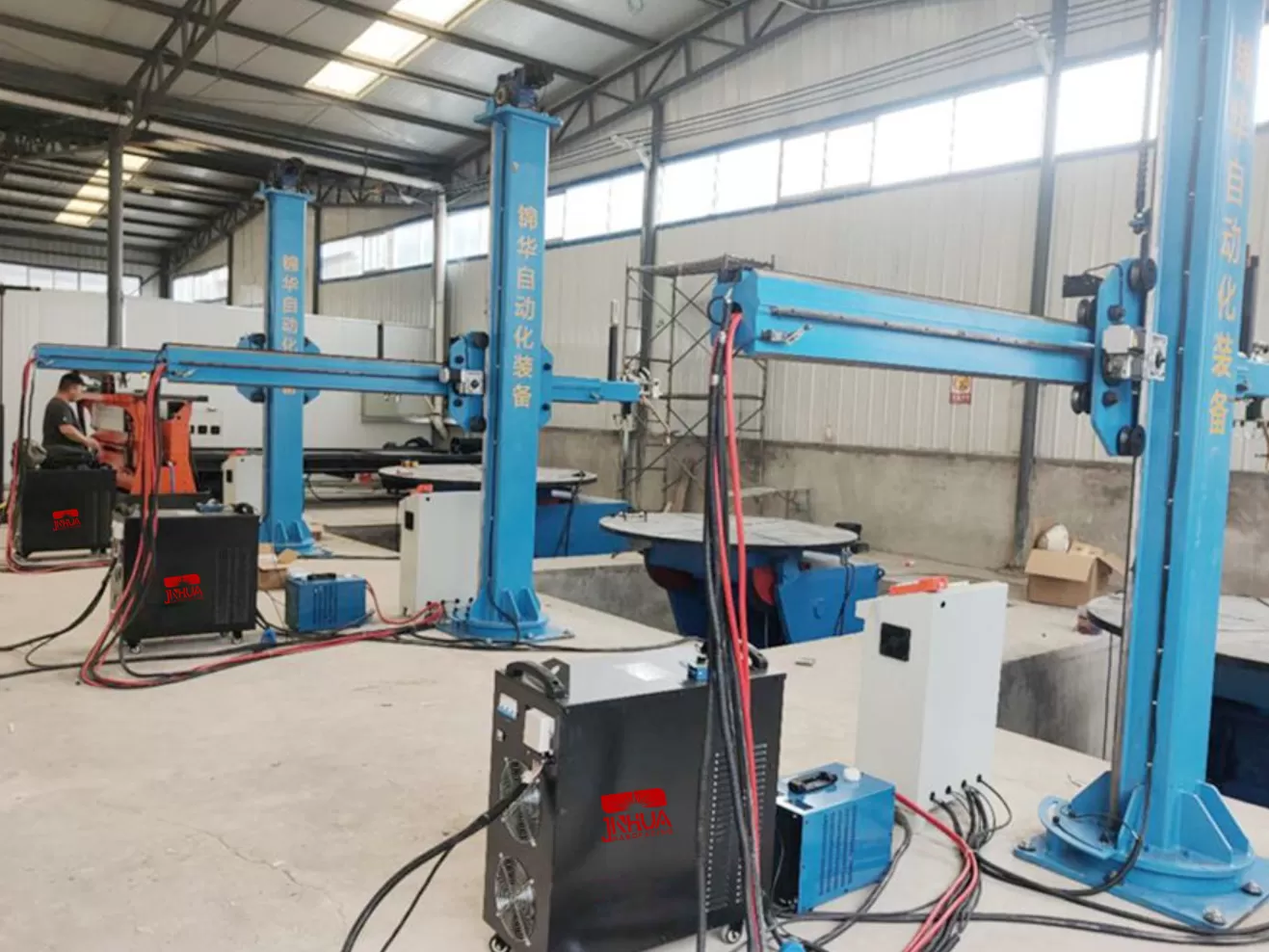
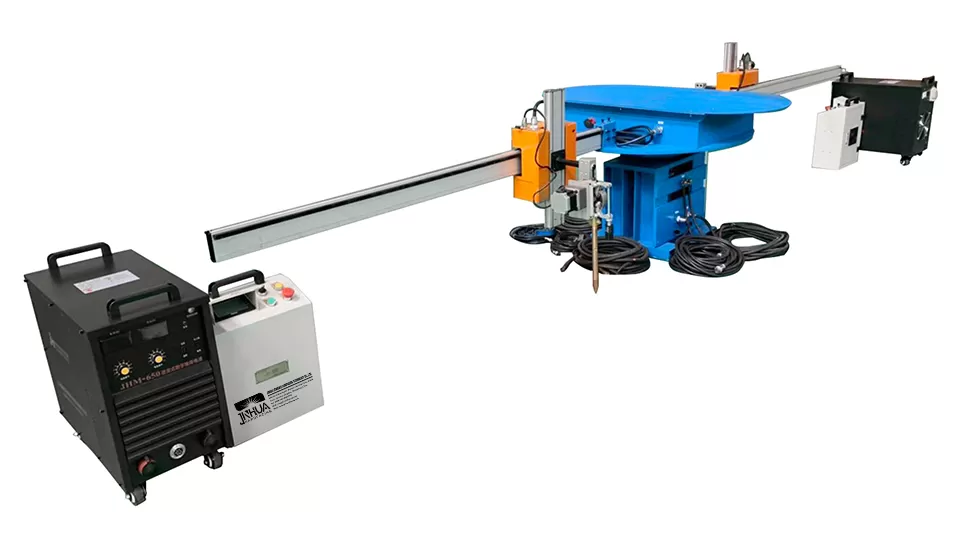
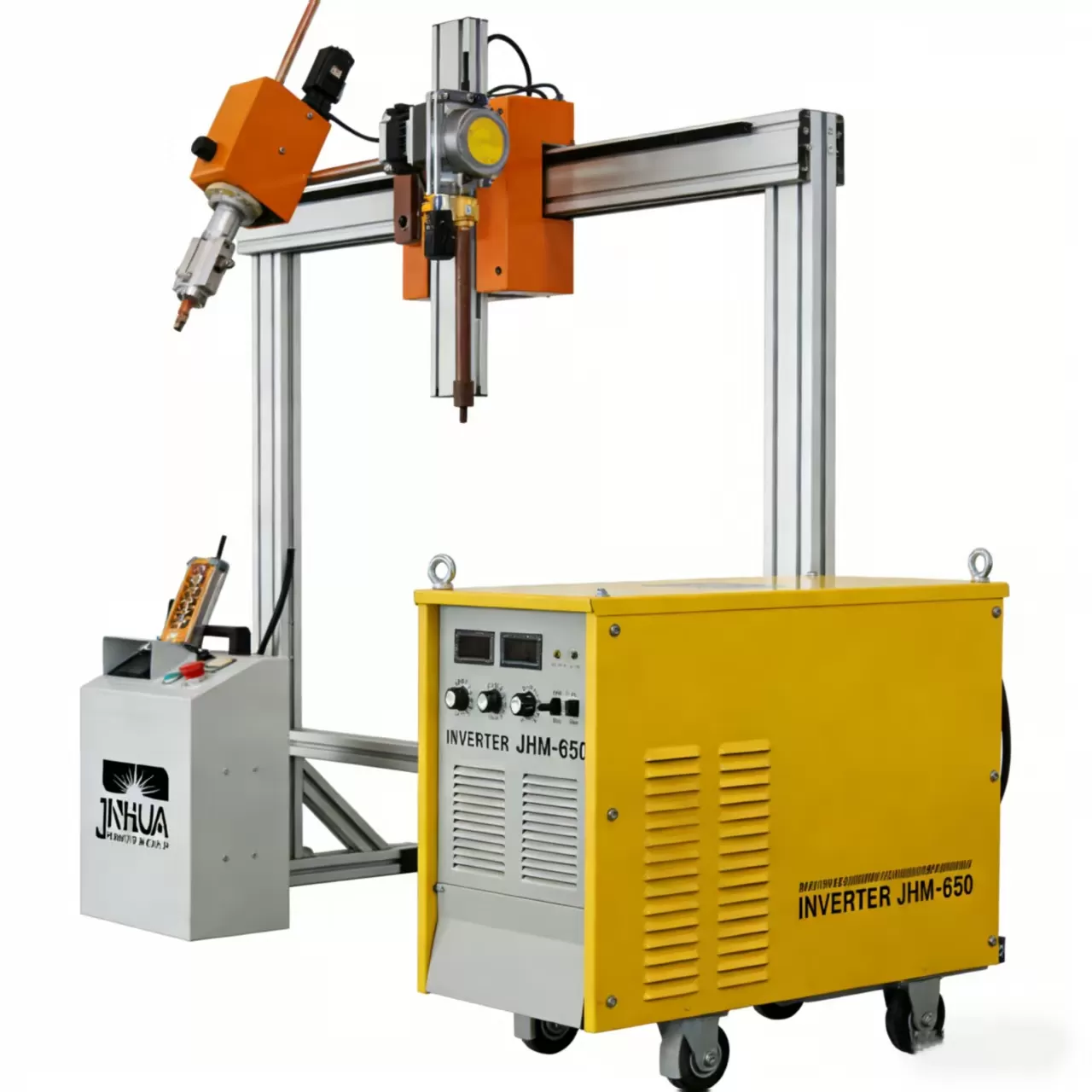
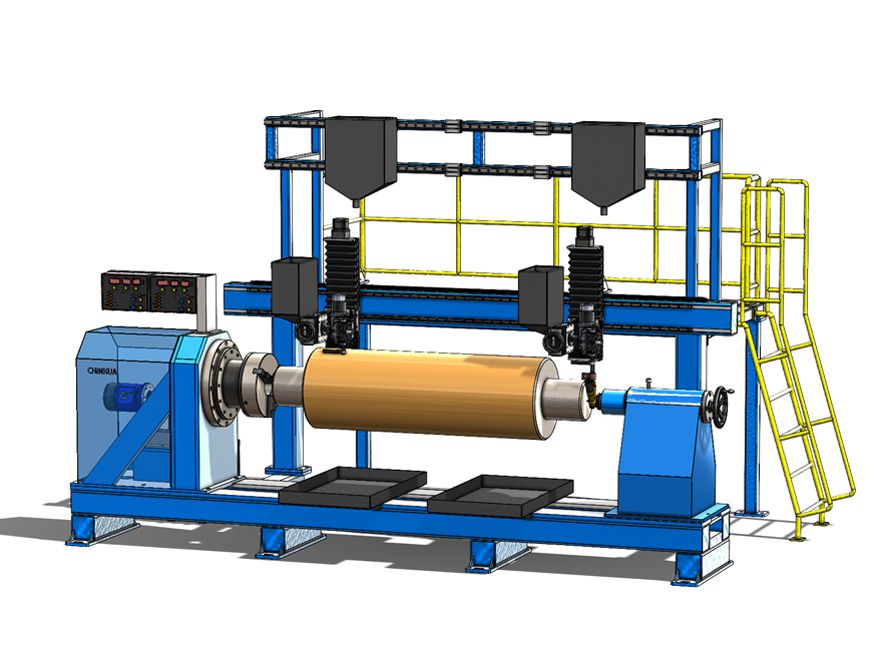
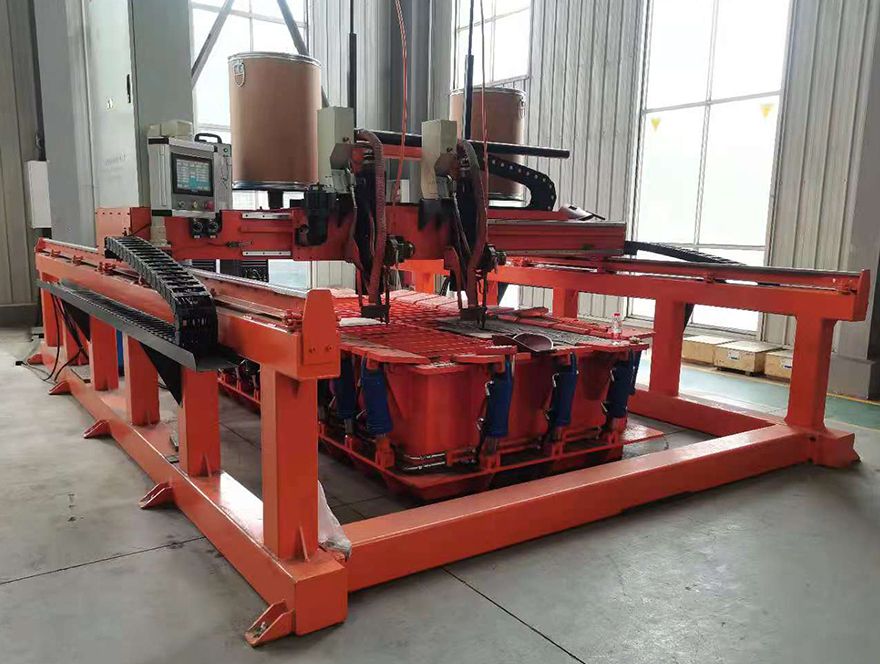
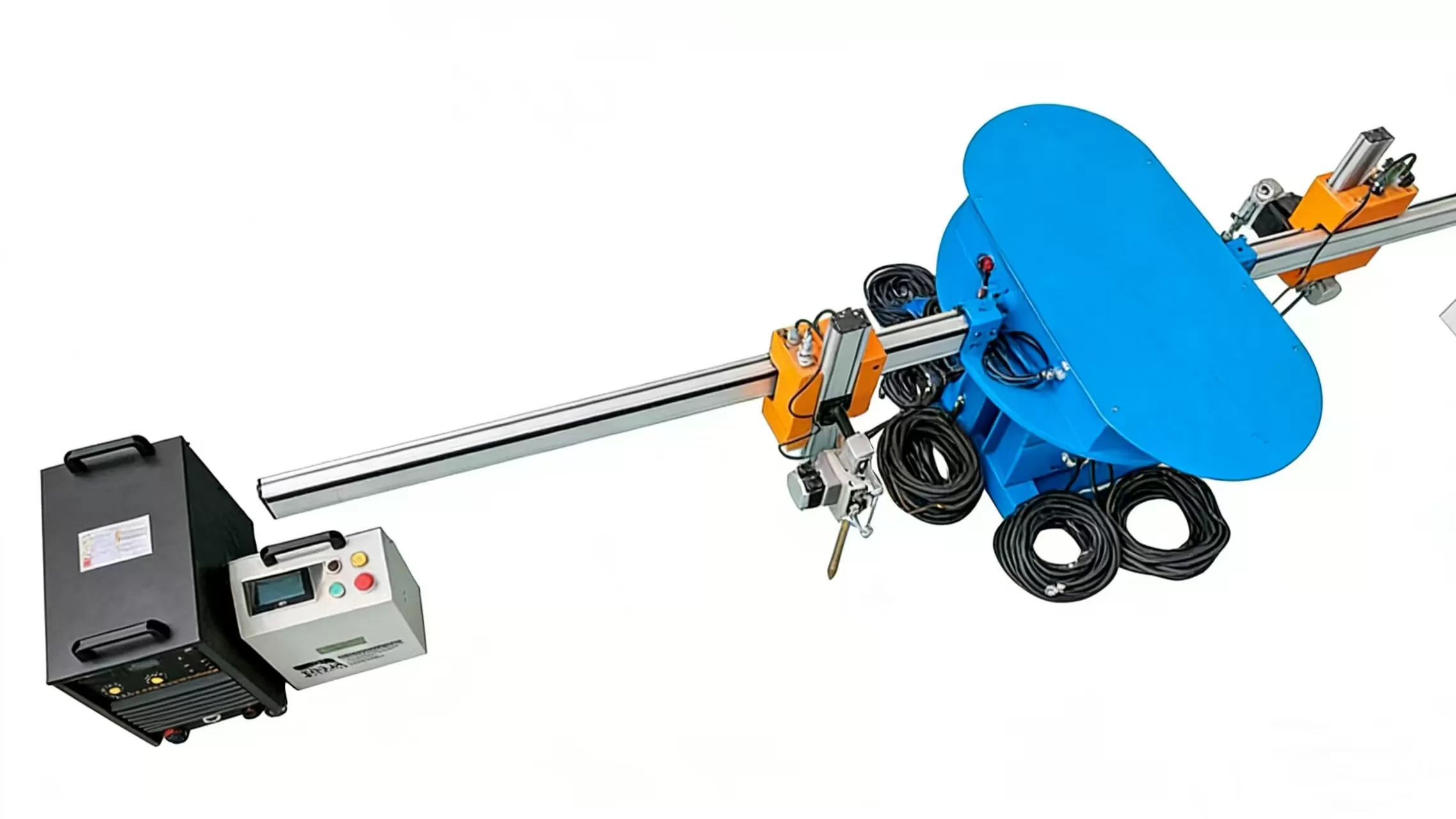
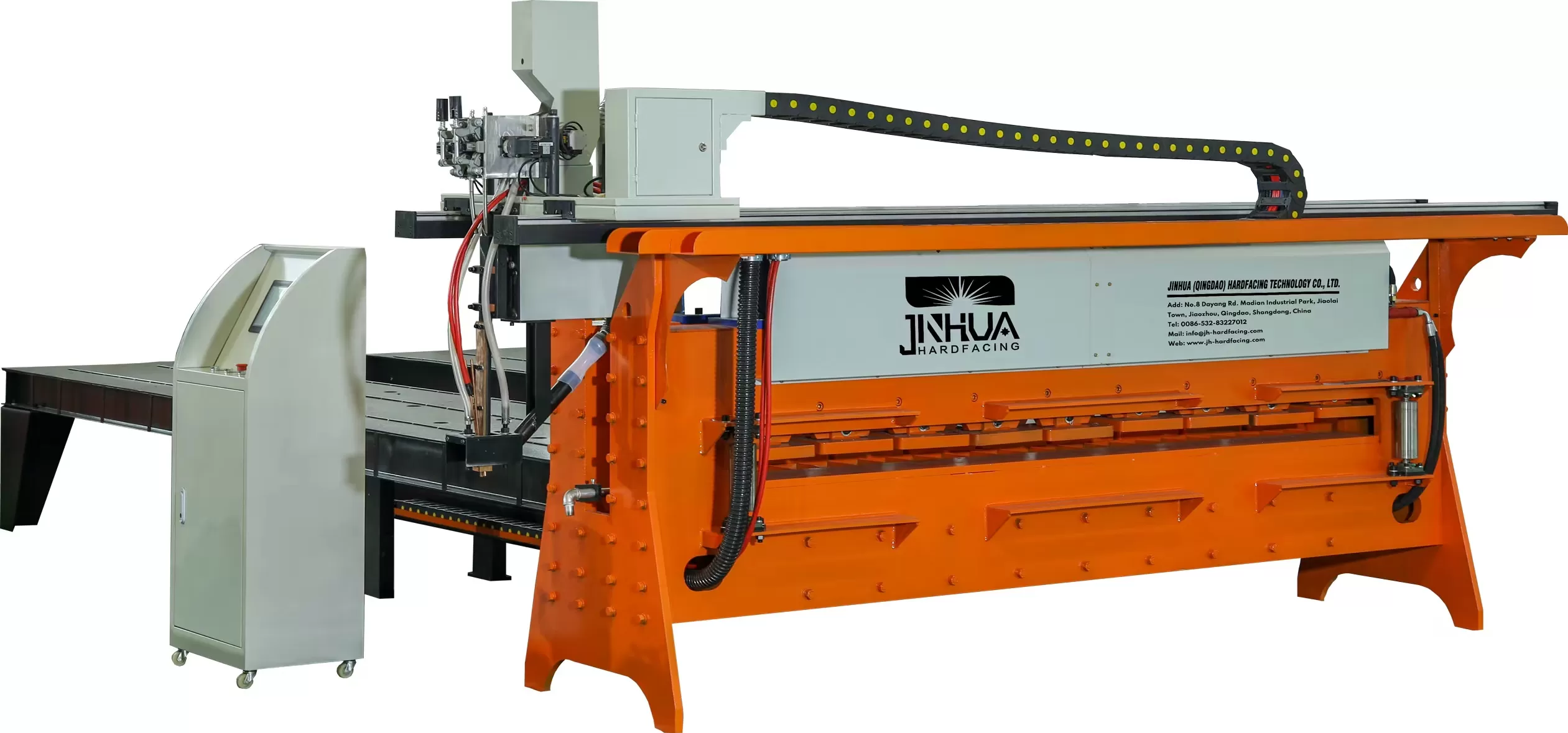
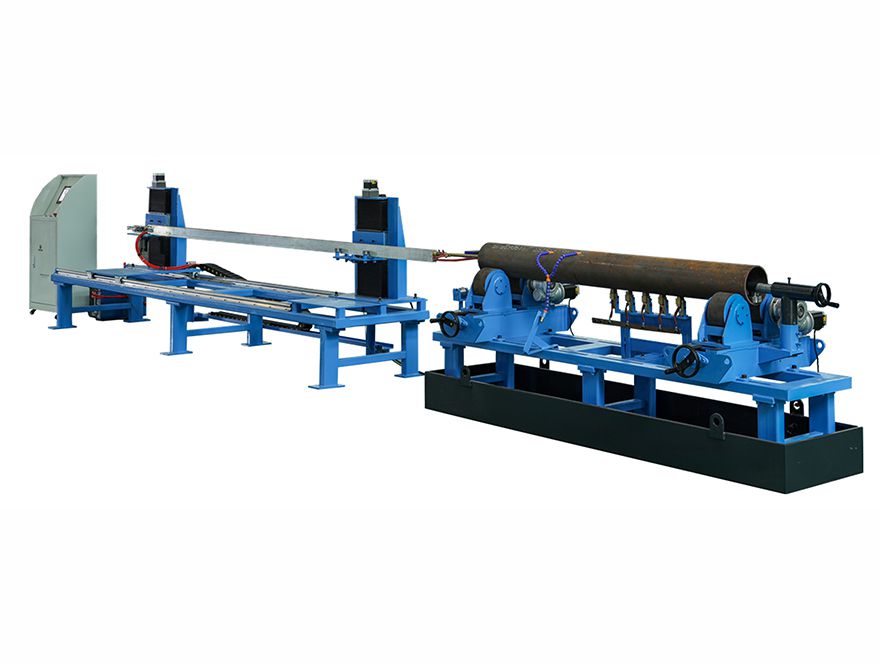
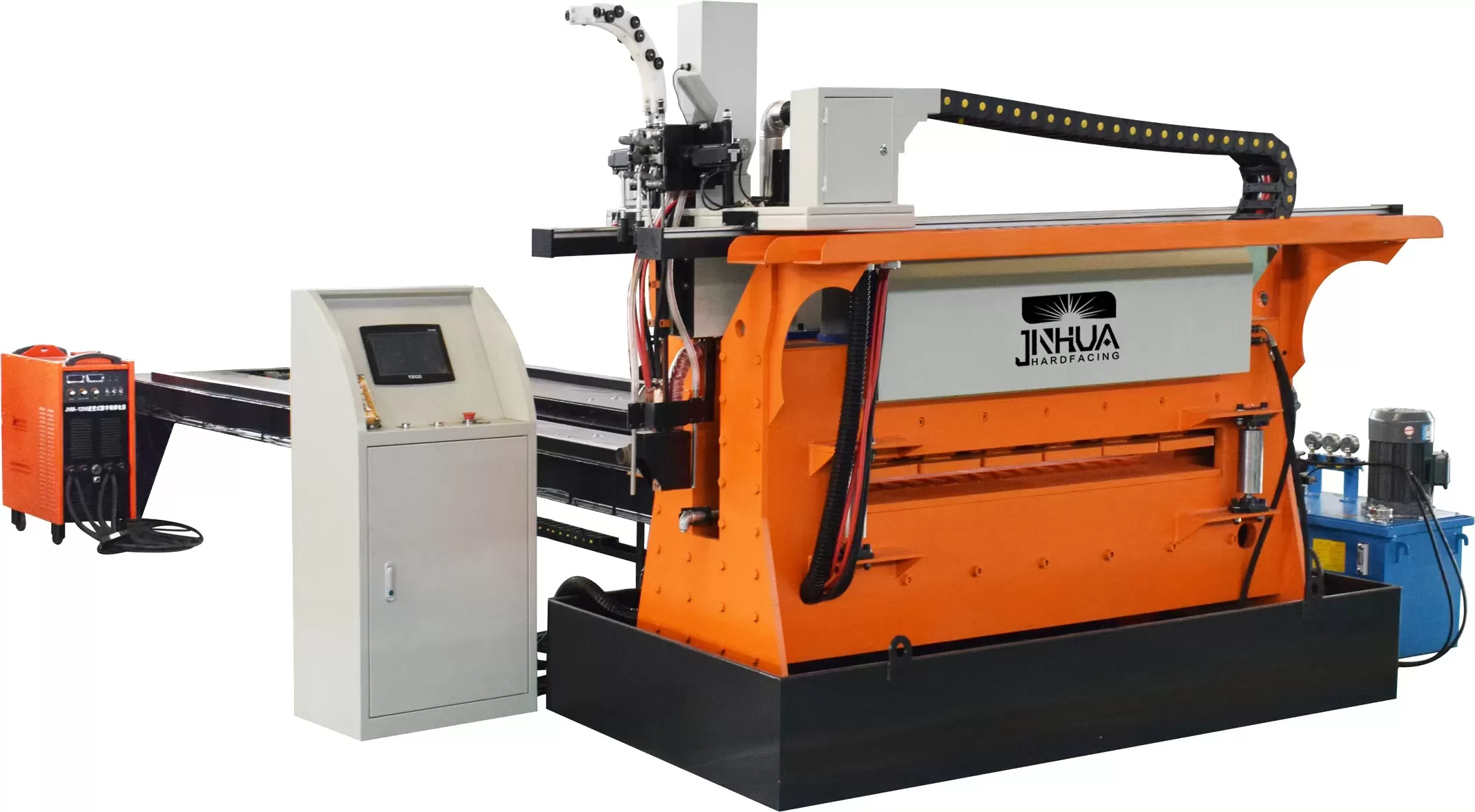
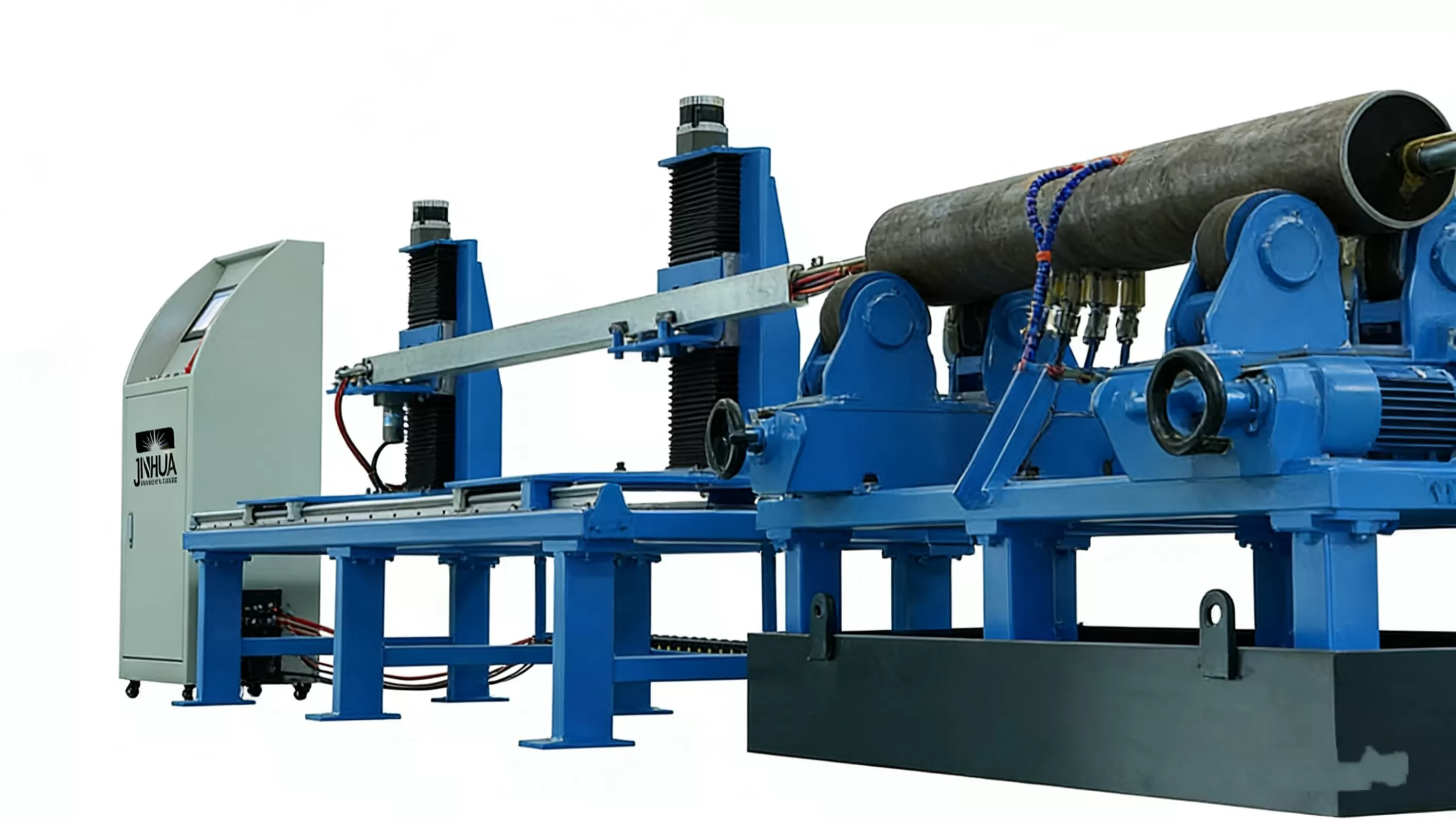
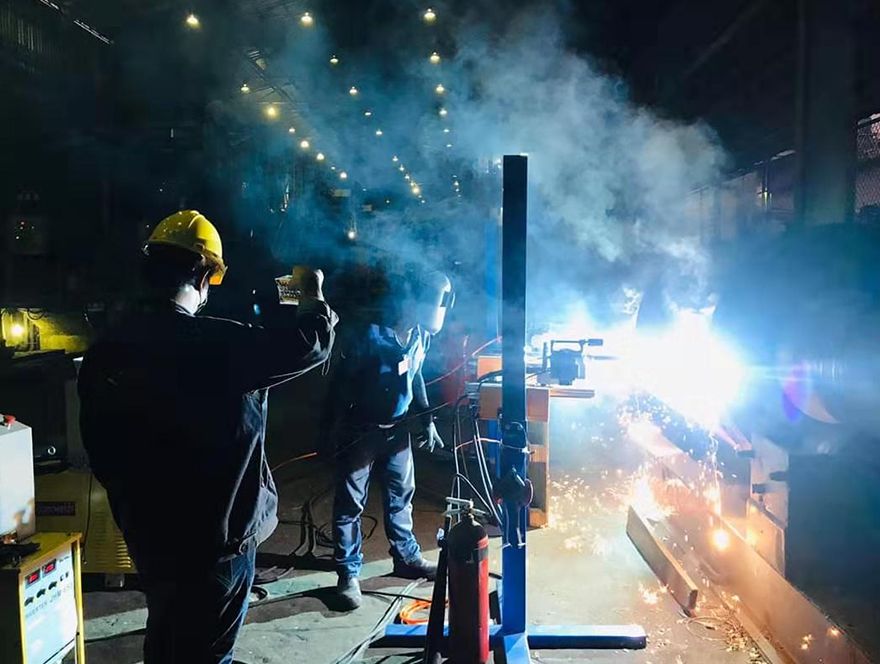
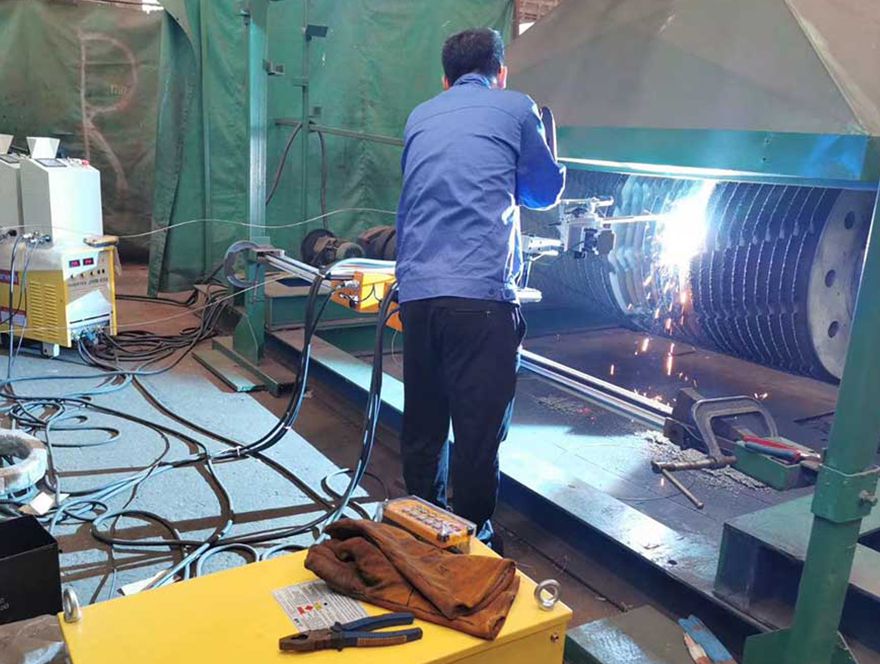
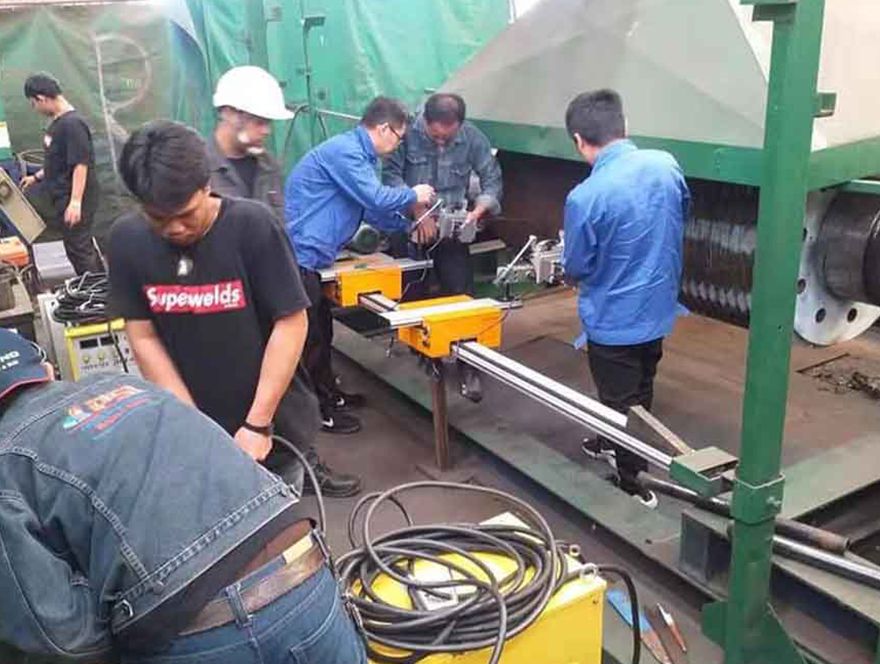
JH-350-C is a new generation hardfacing machine for sugar mill that developed by our company. Our company has developed a portable surfacing equipment based on years of field welding experience and absorption of similar products at home and abroad. High degree of automation, simple operation, convenient installation and transportation, stable operation performance, and ergonomic operation.
SPECIFICATION
| No | Description | Parameter |
| 1 | Length of X Axis | 600mm |
| 2 | Effective Travel Height | 500mm |
| 3 | Length of Y Axis | 3000mm |
| 4 | Effective Travel Length | 2800mm |
| 5 | Power Supply | 3 Phase, 380V±10% |
| 6 | Frequency | 50Hz |
| 7 | Rate of Welding Power Source | 1250A |
| 8 | Working Environment Temperature | -10℃~+40℃ |
In sugar mill roller applications, choosing the right hardfacing technique is critical to achieve optimal wear protection, long service life, and minimal downtime. Below are the most commonly used hardfacing methods and their advantages for roller cladding:
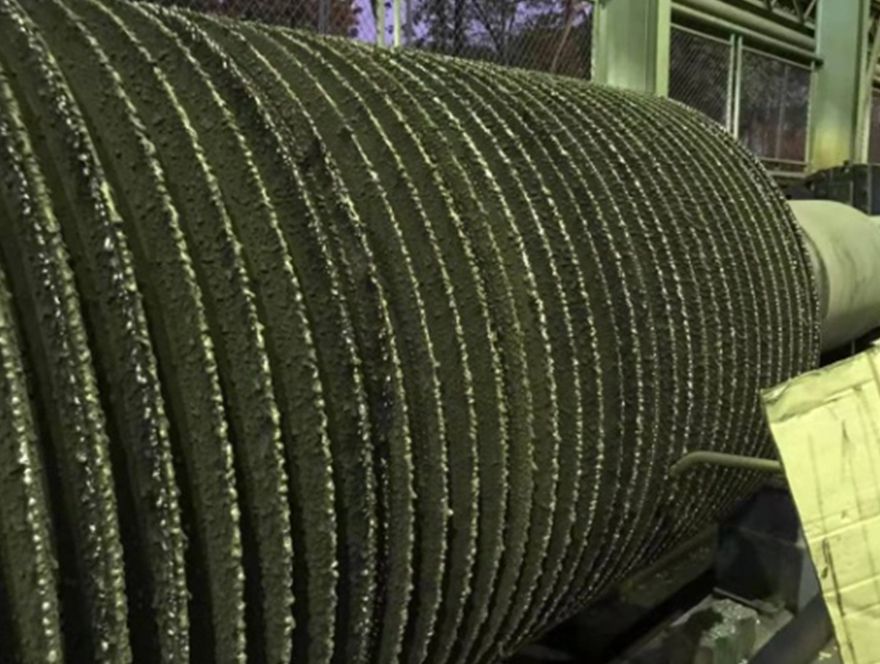
Flux‑Cored Arc Welding (FCAW): This is one of the most effective techniques for hardfacing rollers due to its high deposition rate. Using a flux-cored wire allows single-pass layers of substantial thickness, which is ideal for building up a wear-resistant overlay on rollers.
Shielded Metal Arc Welding (SMAW / Stick Welding): Often used for repair work or in field applications, SMAW provides flexibility and good penetration, especially when access is limited.
Submerged Arc Welding (SAW): SAW offers high deposition rates and deep penetration, making it suitable for large-scale, continuous welding on roller surfaces.
Plasma Transferred Arc (PTA): For applications requiring highly controlled, precise overlays (especially with powder alloys), PTA is an excellent choice. It results in very low dilution and can produce very hard, wear-resistant coatings.
Laser & Precision Cladding: Though less common in heavy industrial settings like sugar mills, laser cladding provides very fine, uniform overlays with minimal heat-affected zone — useful for high-precision parts.
Thermal Spray – Spray & Fuse: This process involves spraying powder (such as carbide) onto the surface, then fusing it using a torch to form a metallurgical bond. Suitable in some situations for wear protection, though typically more used in other industries.
To improve wear resistance, weld bead patterns can be optimized:
Stringer beads: Parallel weld beads, good for steady abrasion.
Waffle / Herringbone pattern: Provides pockets that trap particles and protect the surface.
Dot pattern: Useful where the base metal is sensitive to heat; helps control distortion.
Choosing the right overlay materials for sugar mill rollers is essential. The material must resist the specific wear mechanisms in a sugar mill (abrasion, impact from cane, possibly corrosion). Here are common hardfacing materials:
Chromium‑Carbide Alloys: These are very common due to their excellent hardness and abrasion resistance. High chromium content promotes the formation of chromium carbides, which significantly extend roller life.
Tungsten Carbide Composites: Used when extreme wear resistance is required. Tungsten carbide provides very high hardness and good performance under high-abrasion conditions.
Nickel-Based Alloys: Suitable when corrosion is also a factor (e.g., moisture, acidic conditions). These alloys offer a good balance of toughness and corrosion resistance.
Cobalt-Based Alloys (e.g., Stellite): Excellent for impact resistance and high-stress wear. They can be more expensive but offer superior performance in some cases.
Austenitic Manganese Steels: In cases where the part needs to work-harden under impact, manganese-chrome overlays (or work-hardening deposits) may be preferred.
Low-Dilution Buffer Layers: For very brittle overlays (e.g., cobalt or high-chrome carbides), a buffer layer (e.g., 309L stainless) may be used to reduce cracking and manage thermal expansion mismatch.
Abrasion-dominant wear (typical in sugar cane processing): Use chromium-carbide overlays or tungsten-carbide with FCAW or PTA to maximize wear resistance.
Impact + abrasion (cane strikes): Consider cobalt-based alloys or work-hardening manganese overlays to absorb impact while retaining surface hardness.
Corrosion + moisture: Use nickel-based overlays for corrosion resistance combined with robust welding methods.
JINHUA, founded in 1996, is a global leader in the innovation and production of hardfacing wire and wear-resistant welding equipment. With over 20 years of experience, JINHUA specializes in providing complete welding automation solutions tailored to various industries, including mining, agriculture, recycling, and construction. Partnering with TELF AG and utilizing top-grade FeCrHC from Kazakhstan, JINHUA delivers superior quality hardfacing consumables. Certified to ISO 9001 standards, JINHUA is committed to offering reliable, high-quality products that exceed industry expectations across sectors such as petroleum, automotive, and aerospace.
At JINHUA, we use only the highest quality materials and components in our machines, ensuring that they are built to last and can withstand even the toughest working conditions. We produce different types of hardfacing machines for different applications, including: pipes, plates, rolls for rolling steel, etc. We'd be happy to share their parameters or pictures, as well as videos of their work!
We take pride in our commitment to innovation and customer satisfaction, and our team of experienced engineers and technicians works closely with each customer to provide customized solutions that meet their unique needs and requirements. With our comprehensive after-sales support and maintenance services, you can trust that your JINHUA hardfacing cladding machine will continue to perform at its best for years to come.
Choose JINHUA for your hardfacing cladding machine needs and experience the quality, reliability, and performance that our customers have come to expect.
ADVANTAGE
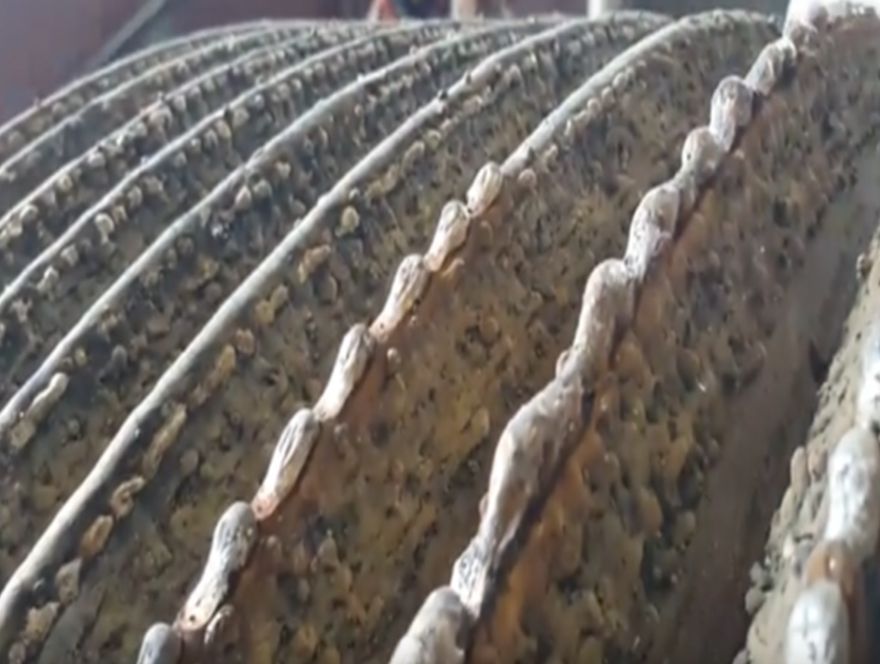
TEAR DROP welding function, welded spot on top of teeth.
Spot welding function, to welding the top of the teeth.
Triangle welding function, to weld comb teeth.
Ring welding function, to repair both sides of roller.
Bevel face automatic continuous welding function, to welding the side of the presser.
High quality weld deposits
PICTURE
Copyright © Jinhua (Qingdao) Hardfacing Technology Co., Ltd. All Rights Reserved |
Sitemap
| Technical Support: