News
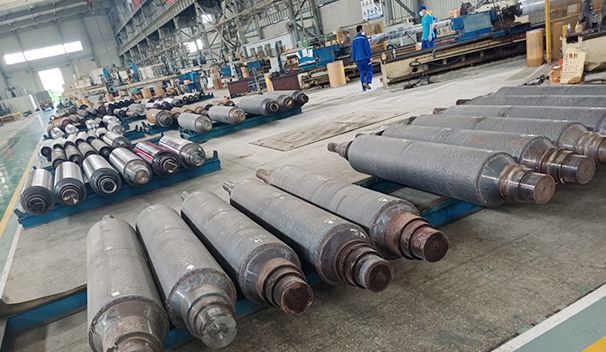
Hardfacing is the deposition of hard wear resistant materials on worn or new component surfaces that are subject to wear in service.
With the increasing development of science and technology, the manufacturing of various commercial machinery is gradually developing towards the direction of import substitution, high efficiency and high main parameters, and the requirements for the stability and performance indicators of the equipment are higher and higher.
Surfacing refers to a process of stacking materials with certain properties on the surface of Weldments by welding. The purpose is not to connect the weldment, but to obtain the deposited metal layer with special properties such as wear resistance
Copyright © Jinhua (Qingdao) Hardfacing Technology Co., Ltd. All Rights Reserved | Sitemap | Technical Support: