News

The hardfacing layer thickness plays a crucial role in the performance of various industrial applications. Many businesses face challenges with wear and tear on machinery, leading to costly repairs and downtime. Understanding the right hardfacing thickness can help mitigate these issues. The **hardfacing process** involves applying a wear-resistant layer to equipment. This layer enhances the durability of components that undergo high friction. Selecting the correct **hardfacing materials** and techniques is key for achieving optimal performance. Many professionals wonder: How does hardfacing layer thickness impact equipment life and efficiency?
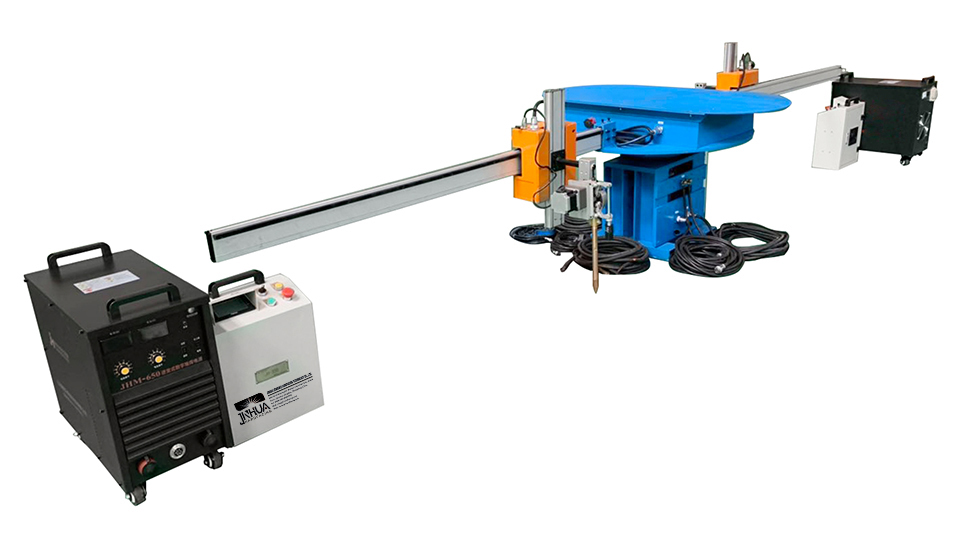
The thickness of the hardfacing layer directly affects equipment performance, wear resistance, and overall lifespan. A thicker layer may offer better protection but can also lead to increased costs and weight. Finding the right balance is essential for maximizing efficiency.
The material used for hardfacing affects how thick the layer should be. Different materials provide varying levels of hardness and resistance to wear. For instance, tungsten carbide offers superior wear resistance compared to cobalt-based materials.
Hardfacing thickness also depends on the environment in which the equipment operates. For instance, if machinery is exposed to high temperatures or corrosive substances, a thicker layer may be necessary to ensure long-lasting performance.
The amount of load and pressure applied to equipment will dictate the required hardfacing thickness. Heavy loads often require thicker layers to withstand the stress and prevent early wear.
If the machinery is subject to impacts, a thicker hardfacing layer may be required. This ensures it can absorb shocks and resist deformation over time.
The right hardfacing thickness maximizes the lifespan of machinery. This reduces maintenance costs and downtime. Choosing the appropriate thickness helps assure that machinery can function longer under stress.
Properly applied hardfacing not only protects the equipment but also enhances operational efficiency. Equipment that operates smoothly generates less energy waste and productivity increases.
Investing in the proper hardfacing thickness is cost-effective in the long run. While thicker layers may seem more expensive initially, they can save on repair costs and decrease replacement frequency.
With the right hardfacing thickness, equipment performs better in varying conditions, whether in extreme heat or cold. This adaptability leads to consistent results in diverse environments.
| Application | Recommended Thickness (mm) | Material Type |
|---|---|---|
| Mining Equipment | 3-5 | Tungsten Carbide |
| Construction Machinery | 2-4 | Cobalt Alloy |
| Agricultural Tools | 1-3 | Steel Alloys |
In summary, understanding hardfacing layer thickness is vital for improving equipment performance. The thickness chosen affects various factors such as durability, cost, and efficiency. Proper assessment of the application will guide the choice of thickness, ensuring machinery can withstand its operational demands. Investing in the right hardfacing solutions, such as those provided by JINHUA HARDFACING, leads to long-lasting benefits for any industry.
Hardfacing is the process of applying a wear-resistant layer to metal surfaces to enhance their durability and performance.
The thickness varies based on application and conditions, typically ranging from 1mm to 5mm.
Yes, a layer that is too thick can add unnecessary weight and costs, and may also affect the flexibility of the part.
Common materials include tungsten carbide, cobalt alloys, and steel-based alloys.
Higher temperatures may require a thicker hardfacing layer to maintain performance and durability.
JINHUA HARDFACING offers various solutions tailored to meet specific needs in hardfacing applications.
Copyright © Jinhua (Qingdao) Hardfacing Technology Co., Ltd. All Rights Reserved |
Sitemap
| Technical Support: