News

Hardfacing is a vital process that enhances metal surfaces. It addresses issues like wear and tear, increasing the lifespan of equipment. Many industries face the challenge of managing wear and ensuring durability. By using various hardfacing methods, businesses can protect their machinery. This article explains different types of hardfacing methods with a focus on JINHUA HARDFACING. Let’s explore how hardfacing methods can save costs and enhance efficiency.
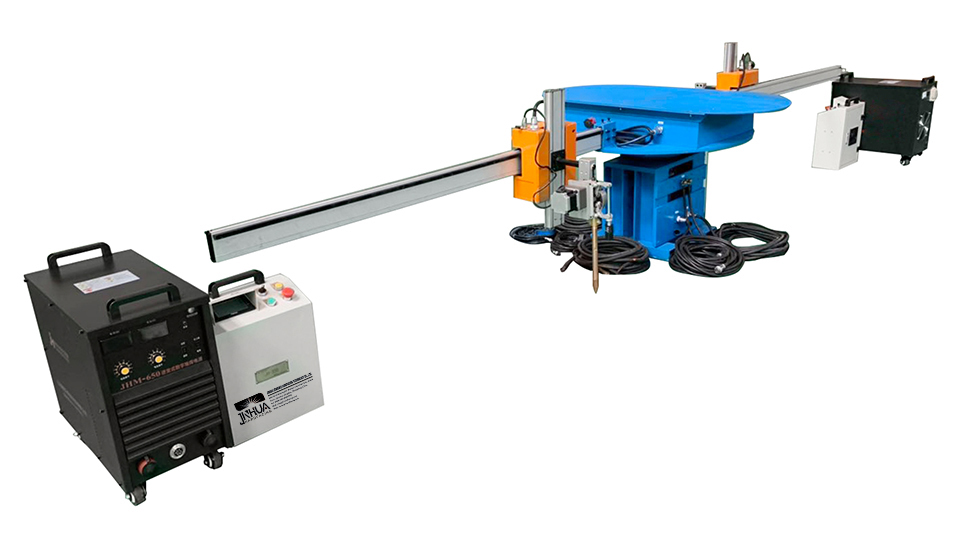
Hardfacing methods include techniques like welding, thermal spraying, and other surface treatments that improve the wear resistance of materials.
Welding is a popular hardfacing method. It involves melting a filler material and applying it to the surface of the metal. This process creates a strong bond and can significantly increase the surface\'s hardness.
Thermal spraying deposits a molten or semi-molten material onto a surface. This method can be used for various materials, including ceramics and metals. It offers good coverage and is effective for large surfaces.
PTA is a precise hardfacing method. It uses a plasma arc to melt the coating material, which is then deposited onto the metal. This technique is ideal for thin coatings and requires specialized equipment.
Laser cladding uses high-energy lasers to melt hardfacing materials onto a surface. This method creates a strong, wear-resistant layer. It is especially effective in complex geometries.
Overlay welding entails applying a weld bead to enhance surface properties. This method improves wear resistance and is widely used in industries like mining and construction.
| Method | Advantages | Disadvantages |
|---|---|---|
| Welding | Strong bond, versatile | Requires skilled labor |
| Thermal Spraying | Good for large surfaces | Complex setup needed |
| PTA | Precise application | Specialized equipment required |
| Laser Cladding | Strong coating, good for complex shapes | High cost |
| Overlay Welding | Improves wear resistance | Requires gradual application |
Not every method works for all materials. Understanding the compatibility of hardfacing materials with the base metals is essential.
Evaluate the type and severity of wear. Different methods are suitable for various conditions, such as abrasive or impact wear.
Budget constraints will affect the choice of method. Some processes require expensive equipment or skilled personnel.
Understanding the different types of hardfacing methods can help businesses choose the best approach for their needs. Each method has its unique advantages and challenges. Hardfacing is essential for extending the life of machinery. By applying the right hardfacing technique, companies can enhance efficiency and significantly reduce costs.
Hardfacing is a process used to improve the wear resistance of metal surfaces by applying hard materials to them.
Hardfacing prolongs the life of machinery, reduces maintenance costs, and enhances performance.
Industries like mining, construction, and manufacturing commonly use hardfacing to protect equipment.
Consider factors like material compatibility, type of wear, and cost when choosing a hardfacing method.
The cost of hardfacing can vary. It often depends on the method used and the materials selected.
Yes, hardfacing can be removed, but the process may involve grinding or machining the surface.
Copyright © Jinhua (Qingdao) Hardfacing Technology Co., Ltd. All Rights Reserved |
Sitemap
| Technical Support: